Showing posts with label anger management. Show all posts

Wednesday, July 06, 2011

Anger, Forgiveness, Emotional Intelligence and Your Health


FORGIVE NOT 7 TIMES, BUT 77 TIMES, by Susan Dunn, Life Coach, Emotional Intelligence Coach, EQ Coach

Yes, it was a difficult weekend. I had houseguests, and one of them has truly been wronged. Not once, but many times. Not by strangers, but by his own family. Not long ago, but long ago and recently.

It made me angry just to hear the stories, though he told them only as they related to the conversation at hand (“So what happened to your father’s farm?” sort of thing), and there was no rancor on his part. Incredulously, he appears to have made his peace with some real injustices. But then that’s one of the reasons we all love him so much.

My friend is very forgiving, and there’s a reason why: he’s had a lot of practice. Forgiveness is like another EQ competency, Resilience. The good news is you can learn it. The bad news is there will always be opportunity. And you can reverse those two!

So, yes, my friend is very forgiving. I imagine he has forgiven 77 times. If you’re familiar with the Biblical passage: “Then Peter came and said to him, ‘Lord, if another member of the church sins against me, how often should I forgive? As many as seven times?’ Jesus said to him, ‘Not seven times, but, I tell you, seventy-seven times.’”

This forgiving friend of mine is of-an-age, and also a physician. “How could you forgive him for that?” I asked him, about a particularly unjust occurrence. “Because I want to live and preserve my health,” he said. Physicians know about emotions and health.

THE TWO WOLVES

There’s a story currently circulating the Internet about a Native American grandfather “whose eyes have seen too much,” talking with his grandson. The boy was talking about an injustice that had happened that day that left him enraged.
The grandfather admitted that he, too, had felt such rage. “I feel as if I have two wolves fighting in my heart,” he told the child. “One wolf is the vengeful, angry, violent one. The other wolf is the loving, compassionate one.”
The grandfather said, “I too, at times, have felt a great hate for those who have taken so much with no sorrow for what they do. But hate wears you down, and does not hurt your enemy. It is like taking poison and wishing your enemy would die.”
When he finished talking, the grandson asked him, “Which wolf will win the fight in your heart?”

“The one I feed,” replied the grandfather.

[Go here http://www.turtle-tracks.org/issue50/i50_3.html to read the whole story]

PACO…GIOVANNI…TON…SERGEI…ED, JR…JOHANN…PIERRE … THEIR NAMES ARE LEGION
Ernest Hemingway wrote a story about forgiveness. It’s the story of a Spanish father and his teenage son who are at odds, and eventually the strained relationship breaks. When Paco, the rebellious son, runs away from home, his father begins a long, grief-stricken search to find him and bring him back.

As a last resort, the exhausted father placed an ad in a Madrid newspaper, hoping his son would see the ad and respond to it. The ad read:

Dear Paco,
Please meet me in front of the newspaper office at noon. All is forgiven.
Love,
Father
As Hemingway tells the story, the next day at noon, in front of the newspaper office, there are 800 Pacos, all seeking forgiveness from their fathers.

HOW YOU PRESERVE YOUR HEALTH

We have all been wronged. I have been. You have been. Your father has been. The queen of England has been. No one escapes. Some of us have been egregiously wronged and live with rage … for a week, a year, a lifetime. Our anger interferes with our ability to forgive.

And why, perhaps you are asking, should you forgive? There has been incest … infidelity … theft … betrayal … Certainly you’re justified in your rancor after what’s been done to you.

Frederick Buechner, theologian, writes:
“Of the seven deadly sins, anger is possibly the most fun. To lick your wounds, to smack your lips over grievances long past, to roll over your tongue the prospect of bitter confrontations still to come, to savor to the last toothsome morsel both the pain you are given and the pain you are giving back – in many ways it is a feast fit for a king. The chief drawback is that what you are wolfing down is yourself. The skeleton at the feast is you.”
We suffer when we’re angry. It causes physiological reactions that damage our health, and drive others away, leaving us to fester in our own isolated hell. We also suffer because we feel guilty about being angry. And we may feel strangled because we can’t act on it. It’s a complicated emotion.

It is, however, neither good nor bad in and of itself. Emotions just “are.” They guide us. They tell us what to do.

Anger tells us there is danger and we need to deal with it directly. The problem develops when we have not learned Emotional Intelligence and don’t know how to handle this anger. It can live forever in its raw state if not dealt with, undermining our health.

But what if … What if the person who did this is dead? Or estranged, like Paco from his father? … Or virulently poised to do more harm? Or an apology won’t really do, as in “I’m sorry I was drunk for the first 15 years of your life”? Or “I’m sorry I had your father shot by a firing squad in front of your eyes?” What if they absolutely do not deserve our forgiveness? What do we do then?

Being adamantly and relentlessly self-forgiving is an EQ competency. At times it’s even harder to forgive ourselves than it is to forgive others, and we stand in need as well.

While we are all Paco, we are all, also, his father. We create our own world, and as we refuse to forgive others, we refuse to allow others to forgive us. What goes around comes around.

Being forgiving – forgiving yourself and others – is highly recommended.
The person you’re harboring the hatred for isn’t likely to be affected by it, but you are which makes you twice the victim, and more the fool. You are demanding from them something they can’t or won’t give, and you therefore remain tied to them forever. They don’t deserve you to forgive them, but you deserve to forgive them.

HELL

I’m reminded of Dante’s “Inferno.” In the fifth ring of hell live “the Wrathful.” Says the commentary, “they spend their time here either tearing at each other in anger or …” Yes, that’s being in hell.

But even more fitting is the ninth and final circle of Hell, Cocytus, which is ice cold (those farthest from God’s love).

There we find those who betrayed those to whom they should forever have been faithful, those treacherous to kin, and the image is this — two people are frozen in the same hole so that one can gnaw at the nape of the other’s neck. An apt metaphor for how we can gnaw at ourselves with resentment and anger.

To paraphrase Paul Pearsall, Ph.D., psychoneuroimmunologist, ‘Go ahead and rant and rave, rage, beat your chest, fight! But to the victor goes the bypass.’

For your own mental, emotional, physical, and spiritual health, you must learn how to let it go. Work with a coach to develop your Emotional Intelligence. Anger directly affects our immunological system, which is our health, and it is an ongoing part of life for all of us. It’s the price we pay for being human.

About the Author
©Susan Dunn, MA, Emotional Intelligence Coach and Consultant, http://www.susandunn.cc. Coaching, business programs, Internet courses, teleclasses, and ebooks around Emotional Intelligence for your wellness, success and happiness. Mailto:sdunn@susandunn.cc for FREE ezine. Put “ezine” for subject line. Susan is the author of The EQ Foundation Course, http://www.susandunn.cc/courses.htm

Add to My Yahoo!

Saturday, January 01, 2011

what are we going to do about anger?

Susan Dunn, EQ Coach, talks about anger

Want to work on your anger in 2011? Email Susan at sdunn@susandunn.cc for information on courses and long-distance programs to help you improve your emotional intelligence. Take THE EQ COURSE and improve your success in the coming year.


Add to My Yahoo!

Wednesday, October 29, 2008

What Good is Anger?

What Good is Anger?

It motivates ... it gives us information ... it can keep us safe ...


To take the most sophisticated ANGER MANAGEMENT COURSE available, email me at sdunn@susandunn.cc for information about The EQ Course/Anger Management.

Only if you're serious about stopping this behavior that undermines your relationships, your self-esteem, your health, and your success in life.

Add to My Yahoo!

Friday, November 02, 2007

How to Use the Holidays

If you'd like to learn more about your emotions -- get ready for the lessons!

The planet Mars is coming as close to earth as it gets in mid-November. We think we saw it the other night, big and bright. It's fitting because I just read Clousewitz on War, and A History of Warfare, by John Keegan. I also brushed up on my emotional intelligence. Why?

Because Mars is named for the god of War, and war has been around a long time - anger, violence, arguments, conflict - but like any energy, this energy can be used for good things, or bad things. It's self-protective (we fight to protect ourselves or our loved ones, or our possessions), but if you let this energy get out of hand, or misinterpret or over-react to threats, you miss all the better ways to manifest your "warrior spirit."

In the coming weeks we will have the holidays and the political scene, football, our relationships and our work situations to explore this energy with. How you experience the holidays will depend on how prepared you are -- emotionally. It is a time of intense extremes. Coaching can help you keep perspective. I'll be available all through the holidays for sessions. Email me at
sdunn@susandunn.cc .

This intense time of year can make us more prone to temper tantrums, outbursts, violence, and even cruelty. But it can also bring fighting spirit for good things, bravery and even heroic acts.

Our emotional energy needs to be understood and modulated.


Beware of:
  • Addictions rearing their ugly heads
  • All the negative emotions - anger, guilt, worry and fear
  • Extreme highs and extreme lows
  • Fighting
  • Over-reactions - including rescuing and over-helping
  • Increased stress from hiding anger and negative energy we don't know how to deal with
  • Intense startups that exhaust us and then peter our (one-week exercise program, the 2-day "diet")
  • Fanaticism and proselytizing
  • Stress, stress, stress - chemicals that exhaust and stress you and related health problems, physically, emotionally, mentally and spiritually.
Remember that unless you trap them, emotions come and go. Don't FOCUS on the downside, keep centered, focus on the good, and "just say no" to the emotional rollercoaster. In other words don't focus on what you fear and/or want to avoid; that gives it power and traps it. Focus instead on good outcomes and positive things.

Email me @
sdunn@susandunn.cc for my
TIPS FOR COPING with THE HOLIDAYS.

Email consultation, phone, THE EQ COURSE

Saturday, October 06, 2007

Intermittent Emotional Disorder

Maturity: the elusive detail of personal responsibility by Marsha Petri Sue

From the article:

Maturity is underrated, misunderstood and in a downward spiral. Where will it all end. There is now a new name being given to a disorder that describes people who, in my opinion, don’t use their maturity. It’s called IED or Intermittent Emotional Disorder.

Is this the reason that toxic people and difficult people are on the rise?
Interesting how lack of maturity and personal responsibility continue to have backers. People and groups who come up with excuses as to why bad behavior and
poor choices are not their fault. Now they have another excuse—IED. Intermittent Emotional Disorder is the tag line being used. In the field of psychology, IED really refers to intermittent EXPLOSIVE disorder and is applied to persons who cannot manage their anger, relationships, and/or themselves.
Ms. Sue then gives her answers, including:

Shift to the left-brain where the proper words and actions live. Your right brain kicks in when you are upset and angry. The mental terrorism will spur you on to impulsive deeds and immature actions. Train yourself to count to ten or say, “this is a test, this is only a test. This will not be important in 100 years.” This will help you to stop “awfulizing.”

THE EQ COURSE(c) teaches you about this "shift" process.

She adds, "It takes approximately two hours to recover from anger. In addition, you give your power to others. Is that really what you want?" to which I add, 5 minutes of anger suppresses your immune system for up to 8 hours ... and your immune system IS YOUR HEALTH. (For immune system supplement go HERE.

Ms. Sue quotes Rosalie Hydock, Ph.D., a specialist in human behavior and performance improvement:

“The widespread inability to deal with emotions in an acceptable way is an interesting theme and a logical outcome in a society where several generational
cohorts have been raised to live in the moment with self-gratification rather than long-term consequences as a primary objective. Rather than legitimize this trend with a diagnosis, it might be better to work on developing better emotional control skills.”
Ms. Sue is the author of Toxic People: dealing with difficult people in the workplace without using weapons or duct tape. To order Sue's book, go HERE.

For an effective anger management course, take THE EQ COURSE. Or recommend it to someone who needs it :-). On the Internet, no residency requirement, self-paced, with email support and feedback.

To take the Difficult People course, on the Internet, interactive, go HERE.
-------------------------------------------------
SELF-GROWTH is the #1 ranked Self Improvement Site On The Internet according to Google and Yahoo! Susan Dunn has been chosen ADULT AND SENIOR DEVELOPMENT EXPERT for the massive self growth community served by this information portal. What an honor!

Susan is also ATTRACT YOUR DREAM PARTNER EXPERT for expert.com

and ASK THE EQ EXPERT for WebPro News.

Add to My Yahoo!

Thursday, October 04, 2007

Avoid a Nudge from the Judge

Who Else Wants to Know about Anger Management?

Being able to manage your anger is an important life skill. Everyone has anger, it’s a normal emotion, and, like all emotions, is there to give us information. But how you respond to anger is the difference between living a good life and “a nudge from the judge."

There are all sorts of things that trigger our anger during a day – snarled traffic, a boss in a bad mood, an assistant who doesn’t do what they’re supposed to do, a colleague who is difficult, kids who won’t get ready for school on time, even a headache or an overheated room.

You can see how anger gives us information. For instance if you’re getting heated up because the room temperature is too hot, or its too stuffy, then you know there’s a problem that hopefully you can address. Getting some air in the room, lowering the temperature in the room, moving to another room, or taking off your jacket are some constructive ways to deal with this "information". Lashing out at a colleague or making a poor decision because you can’t think straight are not good ways of dealing with this. The key thing is to be able to get around the anger and think clearly when anger is designed to shut down out thinking!

We tend to get the most feelings of anger with loved ones. It’s ironic, isn’t it. But who do we care more about? And the outcomes seem so important. If your partner has done something that makes you angry, it matters more than the traffic jam or the secretary, simply because we care more about the outcome, so our emotional rheostat is set higher.

Also some people just have a higher rheostat to begin with. You know if you're the type that gets angry really easily. So what to do about it?

Learning how to manage your anger is an important lifeskill and is part of what we call emotional intelligence. There are other emotions, after all, that can cloud our thinking, cause us to self-sabotage, or harm others or ourselves. It all falls under the category of managing emotions intelligently, in other words for your own benefit. You aren't a helpless victim to anger if you know what's going on.

If you’d like to learn more about managing anger, why not consider getting the full-meal-deal and learn about emotions in general – where they come from, why they happen, what they are useful for, and how to respond, not react.

The strongest emotions (like anger) are the ones where we tend to have a knee-jerk reaction. We think we have no choice in what we do about them, and then we get in trouble. We can harm ourselves, others, or our important relationships.

If your boss insults you, there are really all sorts of options. You don’t have to lash out and jeopardize your job, or walk out and quit. You may WANT to do this, but it doesn’t mean you have to. Other things you can do, if you can calm your anger, are: cut the boss some slack because you know he’s having a hard day; take a break and think it through; consider whether there are many good things about your paycheck, so don’t quit; talk it out with your boss at a quiet time; or call a coach and vent.

Emotional intelligence and anger management are all about choices, and making a better life for yourself and those around you. The more options you can find in a situation, the better off you are going to be, and in order to do this you have to understand anger, and understand that you have choices.

When anger happens and you become a robot, you are very predictable to others, and that’s also to your disadvantage. It’s well know in the business world, like with negotiations or in depositions, that if you can make the other person angry, you have “won.” Why would you want to be a victim to your own anger? If you have trigger-anger, always reacting to the same thing, people around you pick up on this and can use it to their advantage, and to your disadvantage. Unfortunately this is a fact of life and it happens. You can learn how to manufacture more options for yourself and quit “losing” – your temper, your advantage, your job, and important relationships.

The most important thing about emotional intelligence is that it can be learned! Why wait?

Take THE EQ COURSE and learn about anger management. You have nothing to lose but losing! This course is 13 weeks, online, with feedback from the instructor. This allows you to take it from the comfort of your home or office, anywhere you have computer Internet access.

Testimonial: "This course changed my life. Thank you!" --KT, Arkansas

Add to My Yahoo!

Tuesday, September 11, 2007

The Emotionally Intelligent Manager

Add to My Yahoo!


Don't miss this great chance for travel prizes and $3,000 in cash.
Click here to enter: http://cheapflights.studentuniverse.com/USNSCS/
And hurry! The contest is only running until October 24!

"Employees join companies but leave their managers." - Marcus Buckingham

"Seek to understand first and then be understood." - Stephen Covey

SEEN RECENTLY ON THE INTERNET ABOUT EMOTIONAL INTELLIGENCE:

You may want to offer ... Understanding and Using Emotional Intelligence to all of your Managers, Supervisors and Valued Employees. Their skill in applying their "Emotional Intelligence" will affect their relationships with "your" clients, customers, suppliers, executives, managers and co-workers.

"Emotional Intelligence" is not just a buzz-word, it is an absolutely essential management tool.

Here are some of the hidden benefits: An "Emotionally Intelligent" Manager or Supervisor is observant and is sensitive to the wants and need of his/her direct reports and:

Creates more Trust, Respect & Recognition in the workplace
Motivates his/her Employees
Increases Productivity
Reduces Absenteeism
Reduces Conflict
Encourages better Teamwork

"Emotional Intelligence" is a strength that is indispensable in any manager's tool kit.

To read the whole article go HERE.

Tuesday, September 04, 2007

Employee Loyalty: It's all about Emotional Intelligence

You know your employees' points of pain and you know what makes them happy ... begins this article by a true visionary. "If you use this information to meet the special needs of your employees," Ty Freyvogel says, "and even surprise them with a few extra perks, you will be able to build strong relationships with them -- and they, in turn, will be willing to go the extra mile for you."

What's the #1 thing employees want? All studies say "acknowledgement and appreciation."

This article "Operation Employee Loyalty: 12 Ways Small Business Owners Can Ensure Their Best Employees Never Want to Leave" is so full of emotional intelligence.

Here are a few of Freyvogel's gems:

Every entrepreneur knows the hectic lifestyle that comes along with starting and running a company. (Heck, most of us live for the craziness!) But have you ever considered how this work schedule affects your employees?

If too many such days come and go without any acknowledgement from you, you can bet they’ll be handing out their resumes all over town. And since your employees make or break your business, you must keep your best ones around.

Small business owners may feel that they are at a disadvantage compared to CEOs of large corporations precisely because of the lack of deep pockets. Nothing is further from the truth. Because they work so closely with their employees, rather than being separated by layers of bureaucracy, it is easy for them to get to know their employees well.

Provide them with much-deserved time off.

Another option is to set up a compressed work week for your staff so that they get time off at the end of the week.

Give them bonuses at critical times. Presumably, you work closely with your employees and know a lot about their lives outside of the work. Act on this knowledge in ways that benefit them exactly when they need it most. If one of your employees has a new baby or a sick spouse or child, a bonus will help ease the financial burden during these times. She will appreciate your concern for her and her family’s well being.

Constantly recognize a job well done. Everyone likes to be told they've done a good job on something.

Read the full article here: Operation Employee Loyalty: Twelve Ways Small Business Owners Can Ensure Their Best Employees Never Want To Leave CustomerThink

Learn more about emotional intelligence with The EQ Course.

Saturday, August 18, 2007

Cancer Update and Emotional Intelligence


Cancer Update
Anger kills. Resentment is anger on steroids. Depression is anger "without the enthusiasm." Hostility is never leaving the toxic environment.
When you read this cancer update you will understand that your immune system is your health. 5 minutes of anger suppresses your immune system for up to 8 hours. Does a depressed or hostile person ever leave the angry state? You tell me.

But how do you deal with anger when there's so much out there that can make you angry? Do you really have a choice? Traffic jams, teenagers, irritating cell phones, canceled flights, difficult bosses? There are answers in THE EQ COURSE. You have a choice about your emotional reaction. This interactive Internet course is about the cost of two massages (heavenly while it lasts), two therapy sessions (where you're supposed to talk about the things that have made you angry in the past, like your childhood or failed married, which common sense would tell you brings up more anger), or two tickets to a movie and a fine dinner (which you won't enjoy) -- and THE EQ COURSE is likely to do more good and last a lot longer. Most people call emotional intelligence "the missing piece."
When you read this, you'll also see why I like Arbonne's Get Well Soon Supplement. The name sort of assumes some of things addressed here.

Here is a Cancer Update attributed to various institutions, none of which could be confirmed, but it is not (according to snopes) from Johns Hopkins. Need I say this is not medical advice? Medical advice comes from a licensed physician! See if this resonates for you. Then take action for your wellness.

1. Every person has cancer cells in the body.
These cancer cells do not show up in the standard tests until they have multiplied to a few billion. When doctors tell cancer patients that there are no more cancer cells in their bodies after treatment, it just means the tests are unable to detect the cancer cells because they have not reached the detectable size.
2. Cancer cells occur between 6 to more than 10 times in a person's lifetime.
3. When the person's immune system is strong the cancer cells will be destroyed and prevented from multiplying and forming tumors.
4. When a person has cancer it indicates the person has multiple nutritional deficiencies. These could be due to genetic, environmental, food and lifestyle factors.
5. To overcome the multiple nutritional deficiencies, changing diet and including supplements will strengthen the immune system.
6. Chemotherapy involves poisoning the rapidly-growing cancer cells and also destroys rapidly-growing healthy cells in the bone marrow, gastro-intestinal tract, etc, and can cause organ damage, like liver, kidneys, heart, lungs etc.
7. Radiation while destroying cancer cells also burns, scars and damages healthy cells, tissues and organs.
8. Initial treatment with chemotherapy and radiation will often reduce tumor size.However prolonged use of chemotherapy and radiation do not result in more tumor destruction.
9. When the body has too much toxic burden from chemotherapy and radiation the immune system is either compromised or destroyed, hence the person can succumb to various
kinds of infections and complications.
10. Chemotherapy and radiation can cause cancer cells to mutate and become resistant and difficult to destroy. Surgery can also cause cancer cells to spread to other sites.
11. An effective way to battle cancer is to starve the cancer cells by not feeding it with the foods it needs to multiply. Cancer cells feed on: [negative emotions and...]:
  • (a) Sugar is a cancer-feeder. By cutting off sugar it cuts off one important food supply to the cancer cells. Sugar substitutes like ExtraSweet, Equal, Spoonful, etc are made with Aspartame and it is harmful. A better natural substitute would be Manuka honey or molasses but only in very small amounts. Table salt has a chemical added to make it white in color.Better alternative is Bragg's Aminos or sea salt.b. Milk causes the body to produce mucus, especially in the gastro-intestinal tract.
  • (b) Cancer feeds on mucus. By cutting off milk and substituting with unsweetened soya milk cancer cells are being starved.
  • (c) Cancer cells thrive in an acid environment. A meat-based diet is acidic and it is best to eat fish, and a little chicken rather than beef or pork. Meat also contains livestock antibiotics, growth hormones and parasites, which are all harmful, especially to people with cancer.
  • (d) A diet made of 80% fresh vegetables and juice, whole grains,seeds, nuts and a little fruits help put the body into an alkaline environment. About 20% can be from cooked food including beans. Fresh vegetable juices provide live enzymes that are easily absorbed and reach down to cellular levels within 15 minutes to nourish and enhancegrowth of healthy cells. To obtain live enzymes for building healthy cells try and drink fresh vegetable juice (most vegetables including bean sprouts) and eat some raw vegetables 2 or 3 times a day. Enzymes are destroyed at temperatures of 104 degrees F (40 degrees C).
  • (e) Avoid coffee, tea, and chocolate, which have high caffeine. Green tea is a better alternative and has cancer-fighting properties. Water-best to drink purified water, or filtered, to avoid known toxins and heavy metals in tap water. Distilled water is acidic, avoid it.
12. Meat protein is difficult to digest and requires a lot of digestive enzymes. Undigested meat remaining in the intestines become putrified and leads to more toxic buildup.

13. Cancer cell walls have a tough protein covering. By refraining from or eating less meat it frees more enzymes to attack the protein walls of cancer cells and allows the body's killer cells to destroy the cancer cells.
14. Some supplements build up the immune system (IP6, Flor-ssence, Essiac, anti-oxidants, vitamins, minerals, EFAs etc. - try MyArbonne (Get Well Soon dietary supplement) to enable the body's own killer cells to destroy cancer cells. Other supplements like vitamin E are known to cause apoptosis, or programmed cell death, the body's normal method of disposing of damaged, unwanted, or unneeded cells.
15. Cancer is a disease of the mind, body, and spirit. A proactive and positive spirit will help the cancer warrior be a survivor. Anger, unforgiveness and bitterness put the body into a stressful and acidic environment. Learn to have a loving and forgiving spirit. Learn to relax and enjoy life.
16. Cancer cells cannot thrive in an oxygenated environment. Exercising daily, and deep breathing help to get more oxygen down to the cellular level. Oxygen therapy is another means employed to destroy cancer cells.
Want to learn more about anger and how to manage it? 817-734-1471. Some people call for a read from time. Take THE EQ COURSE. Get Well Soon Dietary Supplement here - and others.

Add to My Yahoo!

Tuesday, July 17, 2007

Cardiovascular Disease and Emotions


Add to My Yahoo!

How many deaths today worldwide? How many births? How many bicycles, cars and computers have been made today in the whole wide world?


Take a look at YOUR WORLD from a different perspection with the World Clock. I'm writing this at 11:26 pm CST and so far today there have been 15 deaths from leprosy in the world, 17,930 deaths from cancer, 40,262 from cardiovascular diseases, and 459 from war. God rest their souls in peace.
You can check for the day, week, month and year. I was amazed to see how many animals have become extinct this year. It doesn't seem possible - tens of thousands??
Cardiovascular diseases -- there's always a component of emotions and stress when you're talking about cardiovascular disease. There's nothing that stresses you physiologically like anger. It's one of the best reasons to learn emotional intelligence -- for your health. 5 minutes of anger suppresses your immune system for up to 8 hours. Your immune system is your health.
Now there's a Budget EQ Course, so there's no reason to put it off any longer.

Saturday, June 30, 2007

The Top 10 Things We Say When We've Been Hijacked

Add to My Yahoo!

EMOTIONAL INTELLIGENCE helps you live smarter, not harder

HIJACKED is sometimes also called FLOODING. It's when the strong compelling instincts of the reptilian brain take over and usually we do things we regret. It's when you're "blind with rage," or "go ballistic." The reptilian brain is concerned with survival and deals in aggression, territorial defense, and mating.

When you can't manage this, and can't get with the rest of your brain (limbic - bonding, and neocortex- thinking and "control central") , you do things like take someone's lunch from the break room because you're "starving," have an affair, say something to a loved one that you deeply regret, or have a harmful fight with your neighbor because his bushes are 2" over on your property, i.e., territory.

Here are The Top 10 Things We Say After We've Been Hijacked and act unwisely.

Friday, June 29, 2007

Othello - the story of emotional intelligence gone bad

Add to My Yahoo!


OTELLO (OTHELLO) the story of emotional intelligence gone bad

Wednesday, June 13, 2007

Angry People Make More Rational Decisions and Take the "Right" Action?


Need to make a decision? Get angry - LiveScience - MSNBC.com

This is an article that really needs to be commented upon, since it appears to upset evertyhing we've thought about angry.

In our long and tortured collectived and individual attempts to deal with this strong emotion, here comes the latest. As summed up by the msnbc article, "The next time you are plagued with indecision and need a clear way out, it might help to get angry."

The researchers claim anger helps people make better choices (notice this is mental, not an action). They claim it actually aids thinking rationally because it makes us tend to concentrate on the decision-cues "that really matter."

Study is by Wesley Moons, a psychologist at the University of California at Santa Barbara, and his colleague Diane Mackie.

The upshot is that they think anger makes people think more rationally - both in being able to focus on the "strong" argument (by their definition, the one with valid scientific information), in being more logical in their thinking, and in being better able to 'consier the source.' They think it makes people more decisive. When not angry, people tend to be more wishy-washy. Well, that makes sense.

Why did this bring to my mind the phrase, "cold logic."

Points to ponder:
1. This was induced anger in a laboratory setting.
2. The decision they were asked to make was something like "do college students have good financial habits."
3. Their reporting of the non-logical candidates - well, perhaps LESS logical. Consider that the sample was all U. C. Santa Barbara college students.
4. They were TOLD to "logically evaluate" the material. How often, when you are enraged, are you sitting in a room with an authority figure and pencil and paper, and TOLD to "logically evaluate" the material? More likely you're being attacked by a person who keeps countering that you don't make sense, aren't thinking clearly, and could see it their way if you weren't such an idiot. Or you're facing a mindless entity like whoever is causing the traffic jam, or the bureaucracy that invented taxes, or the evil design that gave you small boobs or pimples. Or worse yet, something that triggers another survival instinct - let's say you find your spouse cheating.

The article ends with this summary: "This could be because anger is designed to motivate people to take action — and that it actually helps people to take the right action, the authors wrote."

That's a very strong statement -- the right action.

Why can't I get it out of my mind, the angry husband who has just found his wife in bed with another man and shoots them both? Which in some states is still manslaughter - "by reason of insanity" - or stronger yet, the cold anger, the cold analytical anger that motivates the person to premeditate a murder? I which case our lega system does not consider it manslaughter.

Real food for thought here. Perhaps one thing to consider is that bell curve again. In the middle, anger does motivate to right action. When you finally get tired of being abused by a spouse or boss and take a "right" action, such as trying to change it, or leaving. But at the extreme or rage ... do we really rational decisions and make the "right" action most of the time? Most of our regrets in life are from lashing out in anger aren't they? The decision may be correct that your husband is cheating - you have analyzed the evidence, and founds the facts. And after that, what is the "right" action? Can it be that simple?

Interesting piece of research here. Let me know your thoughts - mailto:sdunn@susandunn.cc .

Take The EQ Course and learn more.

Sunday, April 29, 2007

Emotional Intelligence to be taught in schools in UK


Respect! Good manners to be taught in schools - Independent Online Edition > UK Politics

"Lack of civility" has prompted this school to revise their curriculum and include EMOTIONAL INTELLIGENCE. It isn't being learned at home, they claim:

The programme will be integrated into the curriculum, and will teach pupils about fair play and dealing with adversity.

The new moves to instil good manners in young people is the latest attempt to deal with what many politicians and commentators bemoan as a blight on British society, making streets, schools and communities unsafe and unpleasant. The worry is that children no longer have the authority figures to look up to and that the state has to an extent take on the responsibilities that belong to parents.

From September secondary school children will learn basic values and "golden rules" such as: "We are gentle, we are kind, we work hard, we look after property, we listen to people, we are honest, we do not hurt anybody."

WE ARE GENTLE

WE ARE KIND

WE WORK HARD

WE LOOK AFTER PROPERTY

WE LISTEN TO PEOPLE

WE ARE HONEST

WE DO NOT HURT ANYBODY

The program will include learning how to deal with anger and disappointment.

To learn more, order my ebook "How to Teach Your Child EQ".

Monday, April 16, 2007

Examining the alpha male at work


Examining the alpha male at work - CNN.com

As an early-adopter of EMOTIONAL INTELLIGENCE (EQ) I was thrilled to see this article. I, too, have studied the alpha male - - from the vantage point of EQ v. IQ.

Each of the 4 types of alpha males (commander, visionary, strategist, and executor) has its downside, says this article on cnn.com's CareerBuilder, and, most interestingly, the climate is changing -- the alpha males may go the way of the dinosaurs as the influence of more women in the workforce has brought in emotional intelligence and affilitiave, collaborative behavior. Or is it the influence of more EMOTIONAL INTELLIGENCE in the workplace.

The great divide began when we had to leave Freud and Freudian psychology behind ... the drives - - sex and aggression - - well there's a lot more driving people today, like wanting to enjoy life, find meaning in their work, balance in their lives, and room for the emotional factor. Most important decisions must be made by other than strictly rational, logical means, after all. If you could choose the best stock rationally, all us investors would be millionaires - there are charts, after all. And if you could choose the best candidate for a job by their resume alone, it wouldn't be the miasma that it is, would it? No, it takes intuition, gut feeling, creativity, flexibility, and a host of other EMOTIONAL INTELLIGENCE competencies.

EQ (Emotional Intelligence) is now looked for as well as IQ in management, leadership and the workplace. In fact it's slowly being demanded in the workplace. If the average job in the US now is 18 months, one of the reasons people leave is because of abusive management. We cannot do our best work in an atmosphere of nit-picking, or where we're ignored, or devalued in comparison to data, for instance. And your EQ will tell you that most of us truly want to succeed, grow, learn, help others in the workplace to do the same, and to be appreciated. Not all the time, but just enough.

Take for instance the alpha male called The Executor. Probably my least favorite to work for because (to me) the Visionary is inspiring; strategists' minds are so fascinating and in my world they generally find a way to avoid much contact with people; and commanders are energizing. I worked for all of these types in my day (and that's why I'm not self-employed!)

Executors, however, are micro-managers who cramp your style, eschew anything creative or "outside the box," and never give priase, but rather pick, pick and pick, and most importantly, must assign blame. I've seen then stop the whole parade for as long as an hour or more, to get out their miocroscope and investigate a rather inconsequential incident. When I'm around one, I always want to shout, "Stop! Just fix it! Let your people free!"

So many things in the workplace today, particularly because it IS more collaborative, are a failing of systems or equipment, or simple one-time human error -- not something that can be fixed. And it takes a real micro-manager to stop the flow of a project, particularly under pressure of a deadline, to fly-speck and see "whose fault it was."

How much better to say to the human who failed at that one point, "That's not like you!" than to harp on the mistake. Someone who continually fails, sure, and particularly one who intentionally sabotages, but the average person having a bad moment or day ... well, it's NOT LIKE THEM, so move forward. Guilt, blame, tempers and anger accomplish th exact opposite of anyone's intent. And lets hope those few people, among them managers, who enjoy making other people miserable, are really on their last legs in the workplace.

Okay. Now I'm off my soap box. But I'm an emotional intelligence coach after all, and I KNOW that EQ matters more in managing people than IQ does. Perhaps the time has come to let the sheer intellect types work in isolation (which they generally prefer), and keep them away from management, which annoys both sides of the equation.

There should be ladders of promotion on two tracks - the people side, and the OTHER side.

The most heartening thing about the article is that emotional intellingence has become so well-known and valued.

We were an early-adopter and have helped so many people improve their lives, and the lives of those around them through emotional intelligence. It is truly the "common language," as I have trained and worked with people around the globe, who immediately catch on to the power of emotional intelligence.

Emotional intelligence is empowering. Get involved! See me for coaching, or to take the EQ course. Email me at sdunn@susandunn.cc

Tuesday, December 05, 2006

Americans Should Show More Emotional Intelligence in Iraq?

Is this the clueless listening to the clueless?

"As we Americans plan our strategy for Iraq, let's show more emotional intelligence." This is the subtitle of Op-Ed Columnist Nicholas D. Kristof (New York Times) article "Cut and Walk" published December 5, 2006. It is available HERE if you are a subscriber, which I am not.

The blogs are hastening to address this comment and article.

On NewsBusters: Exposing and Combating Liberal Media Bias, Mark Finkelstein says Kristof's column reads like "something that might have been written by warm 'n fuzzy Stuart Smalley, the SNL character Al Franken hilariously immortalized before deciding he had serious things to say. "

I agree with one of the commentators to Finkelstein's blog - I'm not going to pay to read the article, which is pay-per-view. But I want to comment on the comments, in the defense of Emotional Intelligence. It should not in any way be linked to Stuart Smalley. Though it's a common misconception, to segue into that, no matter what Kristof said, is misleading.

It is a common misconception, by those who have not studied the field of Emotional Intelligence that it's about "touchy feely."

What's touchy-feely about a manager losing his temper, slugging an employee and bringing on a lawsuit?

What's Stuart Smalley about a CEO being so depressed about his divorce that he's out drinking all night and carousing, and unable to pay attention to the bottom-line?

Is there something "weak" about a person who is so out of touch with their gut feeling that they continually make precisely the wrong move in every sensitive situation?

Is there something to laugh about when a nuclear engineer whose IQ is 170 is so out-of-touch with the real world, she fails to notice a hiss and change in temperature that would have warned her to get everyone out before the place blew up? (I coached a consultant in the UK who works with people who work in dangerous fields to get them in touch with their EQ - the only thing that can keep them safe. )

And there's nothing group-hug about getting someone under control who can't control the feeling of lust and thereby jeopardizes your corporation with his continual sexual harassment, about which he is "clueless."

Again, I don't know how Kristof applied Emotional Intelligence in re: Iraq, but I don't like to see the field of Emotional Intelligence cast in this sort of disparaging light.

Note that I did not read Kristof's article and so I do not critique it. If you haven't studied Emotional Intelligence, should you be critiqueing it? There's a distinction between criticizing the field of Emotional Intelligence, and criticizing how Kristop uses the term and what he writes in his article.

And knowing that difference if part of what Emotional Intelligence is all about.

Here 's a place where you can read about it: www.susandunn.cc .
___________________________________________
Read my article on BuildYourOwnBusiness - "How Managers Use Emotional Intelligence Like Map Coordinates".

Art used by permission, www.claudiafernety.com .

Friday, December 01, 2006

How to Write

What ABOUT the heart? What ABOUT emotion?

From the helium.com blog ... in response to how to write, we get a good deal of Emotional Intelligence tips.

Writes Sam:

I've been reading a biography of Audrey Hepburn. And one thing she said struck me as very true. She said that in portraying Anne Frank on stage, "I act the same way now as I did forty years ago...with feeling instead of technique. All my life I've been in situations where I've had no technique, but if you FEEL enough you can get away with murder."


There are so many books that teach story telling technique, but what about heart, what about emotion? Where do you find it?

Well you find it by looking inside. Knowing people is knowing emotions. The cornerstone of Emotional Intelligence is self-awareness. Without it, there can be no Emotional Intelligence.

Sam answers his own question:

One answer is contained in my second paragraph ... I firmly believe that screenwriters should try to learn as much about people (and themselves) as possible. Through biographies (not the the cheesy, tabloid kind) you can learn about the motivations of people who lived exceptional lives. You can learn about the experiences and forces that shaped them and their decisions.

Yes, definitely not the cheesy, tabloid kind. Great literature. Read the hard stuff.


Start with Shakespeare. Try "Othello" and then see Verdi's opera, "Otello." It is the study of a man who cannot control his anger and jealousy. He is therefore easy prey. He trusts whom he shouldn't, and he doesn't trust whom he should. He flips out and doesn't check things out rationally, with his neocortex.

His enemy Iago wants him dead, and all he has to do is wind Othello up, push the button and watch him self-destruct. It's so easy. Otello is so predictable. It is so tragic. The ultimate in self-sabotage. Want to find the heart, the emotion? Listen to Mario Lanza sing Otello's final aria, Niun Mi Tema ... which he sings to his wife, whom he has just killed (it ends with un bacio, un bacio ancora ... un altra bacio ... (a kiss, another kiss, a last kiss), just before he plunges a knife into his own heart. (Verdi at his best!) If you cannot access this video, go here: http://www.youtube.com/v/M4sfXc5a5Y4 .


Freud said what he knew about human nature, he got from Shakespeare. So it might be a good start, and also a place where you never finish!
_________________________
Shop with me safely online at MyArbonne for safe, pure supplements, cosmetics, products for men, baby products, lotions, and more. Great for gifts.
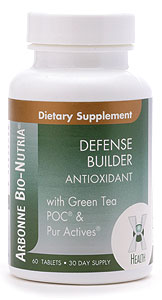
Order some DefenseBuilder for yourself, and get your immune system in shape for the stress of the holidays, and winter. It's the cold and flu season, but not for you!
Did you read the report that showed that the average office telephone has more germs on it than the average office bathroom toilet seat? (ug)

Tuesday, November 28, 2006

It's Important to Use Emotional Intelligence with Your Doctor


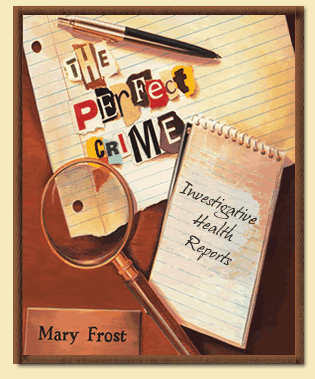
Concerned about trans fats and your health? Subscribe to Mary Frost's Investigative Health Report, "The Perfect Crime," for accurate, reliable information about your health from a source you can trust.

How do you know who to trust about Big Pharma, mercury amalgam fillings, transfats, body parts for sale, cancer screening - yes? or no?, B vitamins and coal tar, salmonella scare, spinach and e. coli. What is it safe to eat these days? How come Sweden banned mercury fillings 9 years ago? What do THEY know that we DON'T - or aren't being told?

Order Mary Frost's Investigative Health Report, "The Perfect Crime" - a quick path to the truth. Take control of your health.
_________________________________________________________


Now ... you know the story about not getting your waitress annoyed at you until AFTER you've received your food? What do you think happens if you get your doctor annoyed at you before your treatment is completed??


Dr. Aniruddha Malpani, MD practices in Bombay, Maharashtra, India and has this to say on his informational blog for patients about using emotional intelligence with your physician. A lot of the tenets of Emotional Intelligence are being compared to meditation, because they accomplish some of the same beneficits -- including -- the Middle Path. Emotional Intelligence is all about "not too much, not too little, but just right."


I am a firm believer in the importance of information therapy and I believe that patients should become experts in the treatment of their own illness. Health is too important to be left up to a doctor, and an active partnership is key to ensuring you get good medical care. However, as with everything else, too much of a good thing can be bad !


Some patients become obsessive-compulsive - and often end up harming themselves. They often become too aggressive or demanding, as a result of which they damage their relationship with their doctor.


Unhappy doctors are unlikely to provide a sympathetic ear or a shoulder to cry on - which means that even if they get high quality medical care which is technically adequate, they often get little emotional support.


It's not a good idea to ruffle your doctor's feathers - and a high EQ ( emotional quotient) is as important as a high IQ ( intelligence quotient) when you are a patient. As the Buddha said, The Middle Path is often the best !

____________________________________________________

Concerned about anger management - yours? your spouse's? your colleagues'? your employees? Whether it's personal concern, wanting to develop personally, court-ordered, or employer-recommended, take our "Anger Management through Emotional Intelligence" course.

With the vast array of questionable product out there, at last the long-awaited "Anger Management Through Emotional Intelligence," based on Susan Dunn's unique program. It is empirically-based (research, data, facts) AND based on her years of clinical experience dealing with actual people in real life situations. Culled from theories, but based on what WORKS. For more information, mailto:sdunn@susandunn.cc .

Susan Dunn, MA, Clinical Psychology, The EQ Coach