
(If Arbonne site isn't working, email me at sdunn@susandunn.cc and I'll order it for you.)
“The Top 10 Ways to Boost Your Immune System,”
1. UNDERSTAND THE SCIENCE THAT MAKES IT CRUCIAL THAT YOU BOLSTER YOUR IMMUNE SYSTEM
Your immune system IS your health. Your immune system is the first line of defense against bacteria and fungi, and it is your ONLY defense against viruses. Antibiotics do not kill viruses, and today, some bacteria are becoming highly resistant to antibiotics as well. When pharmaceuticals can't help, defending your body against disease is left up to your immune system.
2. YOUR EMOTIONS ARE IN EVERY CELL OF YOUR BODY AND AFFECT YOUR IMMUNE SYSTEM, THEREFORE YOUR HEALTH.
Learn Emotional Intelligence (EQ) from a certified coach. It can save your life. Books such as "Anger Kills," by Redford Williams, and "The Pleasure Prescription," by Paul Pearsall, Ph.D. (psychoneuroimmunologist), should tip you off. Negative emotions cause wear and tear on your physiology, while positive emotions can bolster it. Learn how to control and manage your emotions, and your reaction to those of others.
3. TAKE AN IMMUNE SUSTEM NEUTRACEUTICAL.
One example is Arbonne's "Defense Builder." It is scientifically proven to bolster your immune system. Another good product is Arbonne's "Get Well Soon Dietary Supplement." Your immune system needs all the help you can give it so it can do its job--defend you against bacteria and fungi, and help you heal faster from illness and surgeries.
4. MAKE SURE YOUR COSMETICS, LOTIONS, SHAVING CREAM AND BABY PRODUCTS ARE MADE FROM PURE, NATURAL INGREDIENTS.
Many people fail to recognize that what you put on your skin is absorbed into your blood stream. The ingredients in many over-the-counter products will affect your allergies, your immune system and your health. Read more about this here: http://susandunn.myarbonne.com .
5. ANALYZE YOUR CURRENT DIET AND MAKE WHATEVER CHANGES ARE NECESSARY.
Eat an adequate amount of fresh fruits and vegetables, and decrease your intake of foods that are chemical- or hormone-laden; avoid processed foods; and eat at regular intervals. Plan vacations that allow you to eat well. For instance, most cruise ships offer low-fat options on the dining menu, as well as an entire buffet restaurant alternative that features a salad and fruit bar, low-fat desserts, turkey, and other healthy options most hours of the day and night.
6. ELIMINATE OBVIOUS HEALTH DESTROYERS such as alcohol, illegal drugs, excessive caffeine, and cigarettes.
7. EXERCISE.
Get yourself on a sensible exercise routine you can stick to.
Did you know that one of the best antidotes to depression is exercise? Anti-depressants work far better and much faster when you exercise. Becoming addicted to a brutal exercise regime is not the answer. In fact it can intensify stress hormones, weaken joints, tear muscles, and defeat your purposes. You want to win the war, not the battle. It’s a marathon, not a sprint.
Incorporate exercise into your daily life. For instance, I just moved to another town, and decided to do all the packing myself, for exercise purposes. It helped combat the natural stress hormones a move provokes, and, without changing my diet at all, I lost 7 lbs. and felt wonderful.
During your normal routine, you could take the stairs instead of the elevator, walk the dog more often, walk to the Stop'n'Go instead of driving (and don't buy junk while you're there!), and play active games with your kids. You can turn many things into exercise that were formerly sedentary, for instance one of my clients who has a secretary made the decision to quit sending the secretary to the file, mail and copy rooms, and to get up and do these things herself.
You can plan an active vacation, or make any vacation active. I am amused at people who consider cruises "sedentary." It isn't even possible. You must walk miles a day to get around; a large cruise ship is like a small town. I realized this when I broke my ankle one time on a cruise. If you take the stairs instead of the elevator to get places it works like the best of the stairmasters--on this last cruise, my stateroom was 5 floors down from the restaurant, and 7 down from the pool and I went up and down many times a day, as you can imagine, as well as from end-to-end of the ship (my favorite hot tub at one end, the ship store on the other). Most cruise ships have weight and exercise rooms, spas with yoga and Pilates, and they are adding things like rock climbing. You can also opt to participate in the active shore excursions.
7. ADD POSITIVE EMOTIONS AND EXPERIENCES TO YOUR LIFE.
Reward yourself all the time. I bet you don't do that nearly often enough! When I knew I was going to move, I scheduled a cruise for myself, and then backed the moving date right up to it. I worked hard, with good physical labor, controlled the worry/stress factor with EQ, and then rewarded myself immediately with what is a very relaxing 'vacation' to me.
Laugh--for no reason at all, except for your health.
Practice an "attitude of gratitude." We tend to dwell on the one bad thing that went wrong in a day. Instead find one thing that went well and dwell on that.
8. AVOID THE WHITE POISONS—WHITE SUGAR AND FLOUR.
9. ELIMINATE CAUSES OF STRESS WHERE YOU CAN, AND ADD RELAXERS AND SOURCES OF PLEASURE.
Make a list of what stresses you, from the biggest down to the smaller. Then take an honest look at what you could eliminate, and then start doing it. Lists and analysis are worthless unless you take action. Examine, preferably with a certified EQ Coach, the beliefs you hold that stress you, your degree of perfectionism, the negative and draining relationships in your life, and the demands of your personality style (introverts and stressed by what energizes extraverts, and vice versa). You will want to make some changes in these areas, and a certified EQ coach can help you. In fact, the title of my ebook on this subject was suggested by a client who wanted solutions to these problems. It is called, "Changing Beliefs, Self-Limiting Thoughts, and What to Accept." ( http://www.webstrategies.cc/ebooklibrary.html ).
P.S. “Excitement” does not equal “pleasure”.
10. LEARN ABOUT YOUR IMMUNE SYSTEM AND WHAT SUPPORTS IT.
Every great plan starts with an educational phase. Your certified EQ coach can help you, and courses such as The EQ Foundation Course(tm) (http://www.susandunn.cc/EQcourse.htm ), offered online with email and telephone support.
©Susan Dunn, MA, Founding Member of Coachville, Personal Life & EQ Coach trainer, www.susandunn.cc, mailto:sdunn@susandunn.cc Susan coaches individuals, offers Internet programs, ebooks and teleclasses. She trains and certifies EQ, Personal Life, and Wellness Coaches in an innovative, fast, affordable program that is rated #1 on the Internet. Available globally, all long-distance, no residency requirement. Seminars offered in some cities and countries-email for info. Susan is an independent Arbonne consultant.
Sunday, October 08, 2006


Saturday, October 07, 2006
Using Emotional Intelligence (EQ) Every Day

EQ: HELPING YOU FIND THE MISSING PIECE TO THE PUZZLE
Call Susan for coaching @ 817.741.7223. Get started on a better life today.
Anger seems to be the most difficult so-called negative emotion for most of us to handle. Like all emotions, it gives us information. Unlike pleasure, it can also have negative effects on our health. Here's a guest article that has some good points to make:
How Anger Affects Your Body
by Carl Graeber
Anger affects our body in many ways. When we are angry we often feel stressful, betrayed, hurt, ourbody is tense and our stomach is in knots. When we feel this way, the world seems to tumble around us and our best friend has packed up and left us behind. The loneliness creeps in and often we feel that the whole world is an illusion and everyone is out of his or her minds.
There are times we want to run and hide and there are times we simply want to find the source that caused our hurt and beat them to a bloody pulp. We know we cannot do this since it is illegal and it does not help our problems. Rather when we blow up fusing our anger on someone else, we are only adding heartache to heartache. Sometimes we all fail to see that there is a solution to many problems, but when we use up our last resources and nothing is left then where do we turn? How do we find our way out?
If you are feeling like there is nothing left in the world for you and that, you have run out of answers to the many questions then you are not alone. One effective way to look at your situation is to know that someone else is suffering worse than you are. Forcing your mind to remain positive can help when times are tough to deal with. When you have been betrayed, robbed, manipulated, lied to, hurt and you feel that the person is getting away with something. Remember, the bad people always pay a higher price than what they induce on the victim. It may take some time, but you will see in the end that the bad person will pay a high price for his or her behavior. If you have been victimized rather than venting your anger in a negative light, trying using your intellect and resources to enforce that the source is paying for the crime committed against you...
If you are merely struggling from common problems then remember sufficient for each day and take it one day at a time. Try to find some humor in your situation. Laughter is always a source for relieving anger. When you feel your stomach knot, try to focus on something positive and go do your chores. Any time we burn energy, we are burning emotions that are the root of anger.
If you enjoy writing, sit down and write an article, book, story, or a simple journal. Write down your feelings, how you view the world, and the people in the world. Try to find a way to put some humor between the lines so that you can laugh when you look back at what you wrote.
If your body is tense go for a walk and try to admire the beautiful scenery that God provided us. Remember when you are walking that something good comes from bad. This may not make sense, but if you look back at your many problems and how you dealt with them, you will see a series of good fortunes that came your way.
We can all make more of a situation than what really exists and we all need to stay focused to survive the game of life.
If you feel that you are centered out for punishment, then think of the men in war, the children in abused homes, or the wives that are tortured by their own spouse. Now look at your situation again. Are you homeless? Do you have a roof over your head? Do you have food in your kitchen? Do you have your bills paid? If this is true then why are you mad?
Any time we are angered, our body is affected and this causes harm to our health. Is anything worth destroying yourself-being, including your body and mind?
Is anything worth loosing your respect?
If you are angry, think before you act, because impulsive behavior leads to problems that are more complicated. When you feel like the world is tumbling down, pick up your torture stake and walk another mile. We all deal with rejections as it is a part of life, but anger does not have to explode when rejections are have occurred
Byline: Be the ideal person you’ve always dreamed of becoming! Learn how to acquire any trait (happiness, patience, courage, focus) you desire to possess, attain good health and prosperity, and be in total command of your life at the authors website at: http://www.command-and-master-emotions.com.
________________
When you make a foolish response to anger, you add one problem to the problem you already had. Learn more about managing emotions more effectively with Emotional Intelligence. Call me at my new number in Dallas -- 817.741.7223, or email me at sdunn@susandunn.cc and lets get started today on a new tomorrow. Anger doesn't have to rule your life. Learn how to get the information and then let it go. The life you save may be your own!
Wednesday, October 04, 2006
Using EQ Every Day
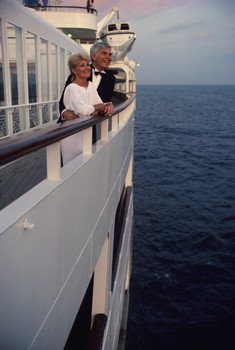
THE STORY OF A SHIP AT SEA (and ME)
I am back from my vacation! It was a great cruise, originally set for Cancun, then moved to Cozumel, and ultimately to Progreso.
The reason for the last change was some problem with the ship's ability to "speed." There was only time to make it to Progreso, MX.
I've been able to cruise a lot, and have seen many islands and places in Mexico. I use cruises as the ultimate relaxation, and often don't even get off the ship in ports. It depends.
I also use my EQ every day.
I observed on this cruise, various attitudes towards this change of plans. Let's just say I observed many attitudes.
Now to me, when you are on a lovely cruise, on a beautiful ship, with food available nearly 24 hours a day, even delivered to your ROOM, lots of people if you like people, and lots of solitude if you prefer to read, rest, hot tub, etc., many diversions, shopping on board, photographs, full-service spa, hair salon, and the lovely meals in the dining room ... couldn't you manage to enjoy yourself? No matter what?
Yes, they might lose your shirt in the laundry, or your meat might not be cooked right the first time, or they might use Tanqueray instead of Beefeaters, or your bed might not get made one day ... I've not heard any of these things happening, but I'm sure they do -- it's a CITY of PEOPLE ... 2,000 guests and nearly as many staff -- and things happen. Yes, they do. Even on your vacation.
I also visited with a staff member who had been on the ship working when it was holding policemen during the hurricane last year. He told me how they complained about everything, and trashed the ship. Each person had their own private room and all the services, the food and lovely surroundings.
Yes, this is bad manners. It's unpleasant and ridiculous to hear. It's rude. And it's also low EQ because of what it does to the person. You raise your blood pressure, you "ruin" your time, and that of the others who have to listen, you stress yourself ...
On the other hand, we have the high EQ people. I asked one smiling and cheerful woman if she was upset about the change of itinerary. "Are you kidding?" she said. "I'm on a cruise."
Another woman told me, "I would never ruin my own vacation."
Other people complained about seasickness. They were wearing the patches -- now there's something where you put foil on your hand (don't ask ME) . I feel NOTHING on a cruise, but the most gentle ... not even a "rock" ... just more pleasant than being on land. WHY would you go on a cruise if you were prone to seasickness? Does that make sense? There are a million other things to do. Certain amusement park rides DO make me feel nauseated. I don't apply a patch and defy reality. I DON'T GO ON THE RIDE. Some people seem to want to make things difficult. Not me!
But then I like to enjoy myself and hope to live a long and happy life, which brings us to two final points.
#1, I wish I had discovered cruising earlier in my life. It happens to be the most relaxing and refreshing thing in the world for me and it's smart to discover what works for you early on. I would have been a more pleasant person earlier on if I'd taken care of myself that way. It might be yoga for you, or climbing mountains, or bungee jumping, but find out what it is early on, and make use of this information.
And #2, here's a great quote from Henry Frederic Amiel to ponder: "To know how to grow old is the master work of wisdom, one of the most difficult chapters in the great art of living."
This is very much what emotional intelligence, EQ, is all about. I used to watch one of my grandmothers who seemed to be making it all very difficult on herself (and us). "Grow old gracefully," I told myself. I loved her more each day, and wondered why she wasn't feeling the same way. If she couldn't drive the car, I would drive her, I would walk with her, I would sit with her -- I adored the woman.
Resilience, sense of humor, perspective, positive attitude ... all part of EQ, and all of it can be learned.
Just give me a call at my NEW PHONE NUMBER: (817) 741-7223; or mailto:sdunn@susandunn.cc .
Waiting to assist you in making your life work better with EQ.
Tuesday, September 26, 2006
Blog Your Way to More Business

<--- charm and street smart are part of Emotional Intelligence. Let me help you increase yours.
A NEW PHONE NUMBER FOR SUSAN
I am moving to Dallas, Texas and the new phone number will be (817) 741-7720. Give me a call after October 4th, and let's talk about EQ & U! If you live in the Metroplex area, call me and tell me all abourt my new hometown! I'm so excited.
GUEST ARTICLE ABOUT BLOGGING.
"3 Must-Read Books For Bloggers," by Jim Estill
A lot of bloggers read blogs, but there are also some very valuable books out there on blogging. The three books that I recommend for bloggers are "Blog!" by David Kline and Dan Burstein, "The Corporate Blogging Book" by Debbie Weil, and "Naked Conversations" by Shel Israel and Robert Scoble.
1. "Blog!: How the newest revolution is changing politics, business and culture" by David Kline and Dan Burstein.
This book talks of the power and influence of blogs. It uses political examples. Through these examples we can learn what good blogging is (honest, open) and what it is not (poorly written, blatant marketing). It talks about freedom of the press and countries and companies that try to suppress blogs.
It also warns and gives examples of blogs that share insider or confidential information and what happens.
To quote from it: "most people or at least most of the media’s coverage of business issues in blogging are missing the fact that the real excitement here is not how much money business can make from blogging, but how dramatically blogging will reshape the world of business from top to bottom and create new sources of competitive advantage for firms that learn how to use this new medium intelligently… Bloggers not only tend to be more passionate about their interests and hobbies than other people, they also have marketplace influence far beyond their numbers."
This is a highly inspirational read for anyone who blogs. We live in revolutionary times and as bloggers (and blog readers) we see history being made. We are truly cutting edge. The world is changing before our eyes.
As A. J. Liebling, a great 20th century journalist, said: "Freedom of the press is limited to those who own one." With blogs, anyone can.
2. "The Corporate Blogging Book: Absolutely Everything You Need to Know to Get it Right" by Debbie Weil.
Debbie is one of the pioneers of corporate blogging. She is not only an advocate but she explains the pros and cons of corporate blogs.
A section from the book: "Blogs are a key enabler of this new way of talking with customers, employees, the media and other constituencies. Packaged, filtered, controlled conversation are out. Open, two-way, less-than-perfect communications with your customers and employees are in….Listen, learn, debate, be willing to change, admit mistakes, be equals, with your children, be fair to others with whom you have an adversarial relationship. Acting like a dictator will get you nowhere."
She has top 20 questions about corporate blogging and in one of those she talks about the three most important things to know before starting blogging. The book also has good examples of blogging policies.One of her points is savvy bloggers read other blogs. My advice is the simplest way to do this is to subscribe to them.
One concept that she talks about is citizen journalist and citizen media. Blogs are a new media and it is run by the citizens. Blogger Halley Suitt explains, "The word PR will be gone; the word blog will be gone. Your employees will be your ad agency and your customers will be your back-up ad agency"
3. "Naked Coversations:How Blogs are Changing the Way Businesses Talk with Customers" by Shel Israel and Robert Scoble
This is an excellent book. I am passionate about business blogs. I truly believe they have value for a business. The book re-affirms this. "Naked Coversations" is easy to read, fast and well organized. It combines advice on blogging (and why blogs help companies) with stories of real bloggers.
Blogs have dangers but those dangers tend to be overrated. Not blogging is a greater danger. As I have said many times, blogs are a new media. Companies that ignore it do so at great peril.
At the same time, blogs cannot be blatant self or company promotion - readers (and other bloggers see right through that and can decimate a company).
How do I know if a book is good? If I make a change as a result. I turned off word verification on my blog to make it easier to comment (I still review all comments and don't let spam through but am trying to make it easier to have a conversation). I get twice as many emails as comments on my blog as a result of my blog. The book drives home that comments and conversations are good.
I also know a book is good if I buy multiple copies for people that I think should read it. And in this case I did.
All three of these books, "Blog!" by David Kline and Dan Burstein, "The Corporate Blogging Book" by Debbie Weil, and "Naked Conversations" by Shel Israel and Robert Scoble should be read by anyone who has a blog or anyone interested in blogging.
About The Author: Jim Estill is the CEO of SYNNEX Canada. He is an active blogger at http://www.jimestill.com/
Friday, September 22, 2006
AUTUMN -- A Good Time to be Good to Yourself
In memory of Chester, a Virgo baby, who would have been 29 this year
I love Rumi's poetry, don't you? He writes the most beautiful love poems. Here is one of my favorites:
You've no idea how hard I've looked for a gift to bring You.
Nothing seemed right.
What's the point of bringing gold to the gold mine, or water to the Ocean?
Everything I came up with was like taking spices to the Orient.
It's no good giving you my heart and soul because you already have these.
So - I've brought you a mirror.
Look at yourself and remember me.
--Jalaluddin Rumi
Tuesday, September 19, 2006
Men, Depression, Broken Heart and Heart Attack
 DEPRESSION . . . anger turned inward where it does the most harm ...
 "Depression exaggerates stress-induced inflammatory response" is the name of the article on http://www.psychiatrymatters.md/. The evidence continues to mount that while men claim not to be "emotional," they are highly emotional, and in ways that are detrimental to their health.
Andrew Miller (Emory University School of Medicine, Atlanta, GA) checked out the immune system activation of 28 men, half of whom had major depression and half of whom did not. As we often mention in the EQ Course, emotions directly affect the IMMUNE SYSTEM.
The results showed that men with depression had an exaggerated "inflammatory response," which likely leads to heart disease and diabetes.
Early life stressors seem to set the baseline high to begin with. A test of childhood trauma set the depressed men at 69.0, while 'normal' subject had a 35.0--nearly twice as high.
Then they were subjected to stress--everyone's favorite-- public speaking, and their inflammatory marker interleukin (IL)-6 was measure. Levels of something called nuclear factor (NF)?B, a transcription factor involved in inflammation regulation, were also greatly higher in depressed men.
"These findings indicate that depressed patients with increased early life stress exhibit both a baseline hyperinflammatory state coupled with a hyper-responsive inflammatory response to stress, which together may contribute to medical comorbidities associated with major depression and inflammation such as cardiovascular disease," Miller is quoted as finding.
This indicates changes in neuroendocrine function, including increased sympathetic nervous system responses and/or altered glucocorticoid feedback regulation. You can find the full article here: Am J Psychiatry 2006; 163: 1630-1633 .
Researchers in "Destructive Emotions" also found some people have a higher set point, and spike immediately after a "stressor." You might want to call this an "automatic" response, but co-author of the book, isthe Dalai Lama, and testing on high level lamas found they were able to control what were formerly considered "automatic" responses--through managing their emotions.
Take the EQ Course and find out more, www.susandunn.cc/EQcourse.htm .
It's your health that 's at stake.
Monday, September 18, 2006
Mary Frost: The Perfect Crime
HOW ARE YOU FEELING?
Are you concerned about your health? About Big Pharma? About getting biased information from your physician? About your nutrition and the food you're eating?
Subscribe to Mary Frost’s Investigative Health Reports http://www.theperfectcrime.com/reports.htm and learn more. Mary is the author of best-selling, "Going Back to the Basics of Human Health,” and you can subscribe to Investigative Health Reports, and/or buy the book here: http://www.theperfectcrime.com/Step1.asp . Mary will quickly convince you that there's a conspiract. In fact, it's the perfect crime and you're the one paying the price.
An article in the Seattle Times, took a look at what's going on, just to give you an idea.
Dr. Robert Saunders expressed concern in the article about the company-backed research behind some medicines, saying, "I think the days of getting unbiased information are gone."
To quote briefly from the article:
"'We have a system that nobody but Big Pharma is happy with,' said ex-Oregon Gov. John Kitzhaber, a doctor with The Foundation for Medical Excellence."
It seems they keep redefining our health. Has this happened to you? For 20 years I knew what was healthy blood pressure. Now when I go to see the doctor, it's different every time. Likewise what I'm supposed to weigh. Says the Times article, "You walk into your doctor's office for a physical exam and step on the scale. Last year, the doctor said you were overweight. Now he says you are obese — at the same weight."
"You are suddenly sick, " said the article, "simply because the definitions of disease have changed. And behind those changes, a Seattle Times examination has found, are the companies that make all those newly prescribed pills."
The Times found that:
• Pharmaceutical firms have commandeered the process by which diseases are defined. Many decision makers at the World Health Organization, the U.S. National Institutes of Health and some of America's most prestigious medical societies take money from the drug companies and then promote the industry's agenda.
• Some diseases have been radically redefined without a strong basis in medical evidence.
• The drug industry has bolstered its position by marketing directly to the health-conscious consumer, leading younger and healthier people to consider themselves at risk and to start taking medications.
Every time the boundary of a disease is expanded — the hypertension threshold is lowered by 10 blood-pressure points, the guideline for obesity is lowered by 5 pounds — the market for drugs expands by millions of consumers and billions of dollars.
The result?
You can see it all around you. I was with a group of old friends the other day, and discovered I was the only person there not on any medication. And I feel great!
Practising EQ is one reason. Our emotions are in every cell of our body, and they effect our immune system. And that doesn't necessarily mean you need a high-priced drug!!
But what are they doing to our FOOD? "Your food has been compromised!" says Mary Frost. Take a look at her website, www.theperfectcrime.com and learn more. Click HERE to subscribe to her Investigative Health Reports. You'l be glad you did. After you get over the SHOCK.
Are you concerned about your health? About Big Pharma? About getting biased information from your physician? About your nutrition and the food you're eating?
Subscribe to Mary Frost’s Investigative Health Reports http://www.theperfectcrime.com/reports.htm and learn more. Mary is the author of best-selling, "Going Back to the Basics of Human Health,” and you can subscribe to Investigative Health Reports, and/or buy the book here: http://www.theperfectcrime.com/Step1.asp . Mary will quickly convince you that there's a conspiract. In fact, it's the perfect crime and you're the one paying the price.
An article in the Seattle Times, took a look at what's going on, just to give you an idea.
Dr. Robert Saunders expressed concern in the article about the company-backed research behind some medicines, saying, "I think the days of getting unbiased information are gone."
To quote briefly from the article:
"'We have a system that nobody but Big Pharma is happy with,' said ex-Oregon Gov. John Kitzhaber, a doctor with The Foundation for Medical Excellence."
It seems they keep redefining our health. Has this happened to you? For 20 years I knew what was healthy blood pressure. Now when I go to see the doctor, it's different every time. Likewise what I'm supposed to weigh. Says the Times article, "You walk into your doctor's office for a physical exam and step on the scale. Last year, the doctor said you were overweight. Now he says you are obese — at the same weight."
"You are suddenly sick, " said the article, "simply because the definitions of disease have changed. And behind those changes, a Seattle Times examination has found, are the companies that make all those newly prescribed pills."
The Times found that:
• Pharmaceutical firms have commandeered the process by which diseases are defined. Many decision makers at the World Health Organization, the U.S. National Institutes of Health and some of America's most prestigious medical societies take money from the drug companies and then promote the industry's agenda.
• Some diseases have been radically redefined without a strong basis in medical evidence.
• The drug industry has bolstered its position by marketing directly to the health-conscious consumer, leading younger and healthier people to consider themselves at risk and to start taking medications.
Every time the boundary of a disease is expanded — the hypertension threshold is lowered by 10 blood-pressure points, the guideline for obesity is lowered by 5 pounds — the market for drugs expands by millions of consumers and billions of dollars.
The result?
You can see it all around you. I was with a group of old friends the other day, and discovered I was the only person there not on any medication. And I feel great!
Practising EQ is one reason. Our emotions are in every cell of our body, and they effect our immune system. And that doesn't necessarily mean you need a high-priced drug!!
But what are they doing to our FOOD? "Your food has been compromised!" says Mary Frost. Take a look at her website, www.theperfectcrime.com and learn more. Click HERE to subscribe to her Investigative Health Reports. You'l be glad you did. After you get over the SHOCK.
Friday, September 15, 2006
How do you work with anger?

"How do you work with anger?" begins the article.
Now just that beginning is helpful, isn't it? I teach EQ and I never thought of "working with anger," and in fact that's what we must do.
The Daily Guru continues ...
"Character isn’t inherited. One builds it daily by the way one thinks and acts, thought by thought, action by action. If one lets fear or hate or anger take possession of the mind, they become self-forged chains." ~ Helen Douglas
How do you feel about anger, in yourself and in others? How do you deal with it?
Anger is powerful energy. If we are afraid of this energy, we may attempt to deny or hide it. And when we lack control of the energy of anger, we impose it on other people or things.
The ways we react to anger usually reflect how we experienced anger as children and how our own anger when we were young was handled by the adults at the time.
In reality, anger, like any emotion, brings us information. It tells us how we feel about what is being experienced. If we receive anger’s message and learn more about ourselves, the energy will pass.
"Too often we underestimate how quickly our feelings are going to change because we underestimate our ability to change them." ~ David Gilbert
*************************************************************************
These quotes are supplied courtesy of Higher Awareness. They offer inspiring, thought-provoking self development programs to help you clearly understand how life and natural laws work, whilst enhancing intuition and creating the future you desire. Click Here For More Information:- http://www.thedailyguru.com/higherawareness.htm
To learn how to work with ALL your emotions, and integrate them with your intellect for a better life, take The EQ Course. It's interactive, on the Internet. It's changing lives. For more information, mailto:sdunn@susandunn.cc.
No Pain, No Gain

THERE IS NO SUCCESS WITHOUT HARDSHIP
The world is so constructed that if you wish to enjoy its pleasures, you must also endure its pains.
Like it or not, you cannot have one without the other.
Success is not measured by what you accomplish.It's measured by the opposition you encounter, and the courage with which you maintain your struggle against the odds.
You'll find all things are difficult before they are easy.
The greater your obstacles, the more glory in overcoming them.
So, make up your mind before you start that sacrifice is part of the package.
No pain, no gain;
No thorns, no throne;
No cross, no crown.
You've got to go through the negative before you get to the positive.
THE DAILY GURU©2006 by Max Steingart
Thursday, September 14, 2006
The Exit Interview: One Last Chance to Sabotage Yourself
Yes, that's exactly what it is: you will be given enough rope to hang yourself ... or to make a pretty bow. We recommend the latter.
If things had worked out for you there, you'd still be there. Even when it's downsizing, usually only some are let-go, and you were part of that "some."
As I cover in my DIFFICULT PEOPLE Internet course, please, please do not assume your supervisor really wants to know how she could have managed you better, the CEO doesn't really want to know how to run her own company, and HR is most likely doing it for a formality, and all are interested in limiting liability. This is not to say there aren't isolated instances where people in these positions would want to know ... but you have to know what you're doing. For one thing, what can you accomplish in 30-45 minutes anyway?
You can give some well-rehearsed and well-thought-through comments, if required to do so, but think it out ahead of time.
Keep in mind that you are a "lame duck." They might value your opinion ... except you are on your way out, and you immediately lose people's interest.
Also please remember you will need these people for references. Cordial goodwill is called for, and a good bit of EQ. You are going to have to account for the time you spent there in future job interviews.
My client Harriet told me about one career-sinking maneuver she had early in her career. Furious at many things, she gave her resignation, refused an exit interview, and basically stormed out the door. Imagine her surprise when the dust cleared, and she realized she was going to need a reference from someone from her former company, and she had not laid the ground work.
Other clients have told me of being asked to "name names," to comment on other people's performance and ethics, to identify "problem" employees, and other third-rail questions. These, of course, should be avoided. It's neither the time, nor the place.
Generally EIs are optional. If you choose to go, keep the following in mind from this excellent guest article.
FIVE TIPS FOR YOUR EXIT INTERVIEW
Author: Heather Eagar
Exit interviews are sometimes held at inopportune times, especially from the viewpoint of the employee when he or she is either laid off or fired. Nevertheless, they are a must for progressive companies that want to look inward for reasons for an employee's exit.
There are different viewpoints about these interviews as to the need for them in the first place.
Should the exiting employee participate in it? If yes, how will it benefit him or her?
Secondly, an exiting employee can hardly afford to ignore the fact that his or her revelations can be used against them, especially if they are in writing.
Participating In the Exit Interview Is Your Prerogative
When you are faced with the interview, you need to think carefully about what you are going to say or write, as it can jeopardize any possibility of your re-employability, if there is any. Even if you are assured that your comments will not be used against you but [rather] for company analysis, you should still be diplomatic.
Five Tips To Help You Confidently Face The Exit Interview
On the surface, exit interviews serve to help organizations to correct themselves by collecting information such as possible discrimination, lack of opportunities, etc. So, picking up the motivation behind the exit interview will help you to know how to approach one.
1. Attending Is A Courtesy: On your part, attending the exit interview is usually not mandatory. Even though you are not going to gain anything from it, you must make sure that the interview is not being used against you. If at any time you suspect this is the case, simply excuse yourself.
2. Maintain Your Composure: Maintaining your composure is critical. The questions may appear trivial, although this may not be the case when you are being laid off or fired. Treat this as your chance to make them think again (and perhaps be sorry) for having fired you.
3. Do Not Sign Papers Hastily: There will probably be more than a few documents that will need to be signed, such as acknowledgement of your resignation or separation, and receipt of your final paycheck. But if you are asked to sign anything questionable, ask for time to review them, and to read and understand the contents. Ask whether it is mandatory. Any organization can always wait for a few more days.
4. Return Any Company Property: This could be documents, keys etc, but list all of them on paper and get the interviewer to acknowledge receipt of these things.
5. Commenting On Superiors And Colleagues: Typically, these interviews are well structured and come down to the core issues. Remember, it is unnecessary for you to comment on someone (negatively) who you are not going to see for much longer.
Remember that the exit interview is probably not mandatory. If you don’t have time, or feel uncomfortable about the company's motives, just politely decline the invitation to attend.
About The Author: Heather Eagar is a former professional resume writer who is now dedicated to providing job seekers with resources and products that promote job search success from beginning to end. If you want interview tips to help you land that perfect job, go to http://www.NothingbutInterviews.com
________________
P.S. BE SURE AND CLEAN OFF YOUR COMPUTER. Most people know to clean out their desk, but your computer can do more damage. By this I mean emails, graphics and articles you may have saved, or anything that isn't work-related. When I assumed a new job some years ago, I was absolutely apalled at what I found on the computer. Don't let that happen to you.
If you are angry over the parting, please check in with an EQ coach. It's a good idea to maintain coaching until you are safely out the door. Anger is a good way of knowing what you want, but not for getting it. Your exit should be as gracious as your entrance, and it is an opportunity to show your integrity. Adversity reveals character and people are watching -- people who can recommend you in the future (or not).
Wednesday, September 13, 2006
How to Defend Yourself at Work
FOR A COMPLETE LOOK AT HOW TO HANDLE DIFFICULT PEOPLE AT WORK, TAKE THE DIFFICULT PEOPLE COURSE.
The following guest article is a good one, but, as you know, there are people who are not just "snapping under pressure," they are relentlessly and consistently "difficult" and must be dealt with differently. We show you how.
Susan works with individuals worldwide (not just executives, or managers), and in all areas -- personal life as well as professional life.
Some of the MOST difficult people are in your own family, and you'll be facing them soon at the holidays. Visit Susan on the web at www.susandunn.cc, mailto:sdunn@susandunn.cc for more information, or call 210-496-0678.
To register for the Difficult People course click HERE. It's interactive, on the Internet, self-paced, and highly effective.
Steps For Defending Yourself At Work
Copyright © 2006 Deborah Brown-Volkman
In today's stressful workplace, there's an expectation that you perform perfectly all of the time. Company numbers have to exceed last quarter's numbers. Market share has to increase. Work has to be completed faster. Plus, technology advances means that you are reachable 24 hours a day, seven days a week. There is no rest for the weary.
All of this stress can have an effect on you and the people you work with. As a result, from time to time, co-workers may snap at you. They do not mean it. The pressure has gotten the better of them in the moment.
Understanding why co-workers snap is important. They are overworked and so are you. But, behavior that feels inappropriate, is inappropriate, and must be addressed quickly. So what do you say to a co-worker who says something that does not feel right to you? Defend yourself.
Here are 4 tips how:
1. Address The Inappropriate Behavior
Don't let co-workers get away with treating you badly even if it's unintentional. A bad behavior not addressed once, can become a new uncomfortable pattern going forward. It's ok to let someone know that what they just said was hurtful, wrong, or out of place. Let your co-worker know that what was said was wrong. Let them know you are not happy with their behavior.
The best time to address an inappropriate behavior is in the moment if you can. And, if you are unable to speak up in the moment, this is ok. Not everyone has the perfect words to say all the time, especially if what was said to you was hurtful. If you need time to assess a situation or think before you speak, then take the time you need. There is no time limit on your ability to
have a conversation with someone at your job.
2. Convey What You Want Going Forward
Many people are afraid to have a conversation with someone who upsets them because they view it as a confrontation. Confrontation means there is a winner and a loser. This is not
what you are aiming for. You want win-win. Both sides were heard and a resolution was made that makes both sides happy. Your goal is not to create hard feelings or to blame. You want to
convey what you believe is wrong and let your co-worker know what you want going forward. Do you want them to stop interrupting you in meetings? Then, say so. Do you want them to stop talking credit for your work? Then, say so. Whatever it is, it's ok for you to say it.
3. Thank Your Co-Worker For Their Willingness To Work This Out With You
Thank your co-worker for taking the time to have the conversation with you. Speaking to you means they value you and respect your feelings. (Yes, it's ok to have feelings at work.) Appreciation goes a long way, and helps creates the foundation for the new working relationship that has been formed. Thank you's also provide closure. They mean that both sides are
ready to put the issue behind them.
4. Move On
Sometimes an issue will be resolved and sometimes it won't. Maybe a co-worker doesn't believe they have done anything wrong or does not want to see your side. Maybe they aren't interested
in what is important to you. This happens. Whether you were able to resolve the situation or not doesn't matter. You spoke up, so good for you. Once you've given it your best shot, move on.
Holding on to past issues will affect your future performance. Trust that most issues will be resolved if you address them. The issues that don't go away are the ones that you don't talk
about. Move on, while congratulating yourself for the courage it took to defend you. So, what do you say? You only have one life to live, so it might as well be a life you love!
---------------------------------------------------------------------
Deborah Brown-Volkman is the President of Surpass Your Dreams, Inc. a successful career and mentor coaching company that has been delivering a message of motivation, success, and personal fulfillment since 1998. We work with Senior Executives, Vice Presidents, and Managers who are out of work or overworked. Deborah is also the creator of the Career Escape Program(TM) and author of Coach Yourself To A New Career: A Book To Discover Your Ultimate Profession. Deborah Brown-Volkman can be reached at: http://www.surpassyourdreams.com
http://www.career-escape-program.com, info@surpassyourdreams.com, or at (631) 874-2877.
Tuesday, September 12, 2006
Adversity? Let it Kick You Forward
WHEN LIFE GIVES YOU A KICK
I'm told the story is true: A woman was giving birth to a baby in anelevator at a hospital. When she complained about the location, anurse said, "Why, this isn't so bad; last year a woman delivered herbaby out on the front lawn.""Yes," said the woman on the floor, "that was me, too."
Who said, "If I didn't have bad luck I wouldn't have any luck at all?"
But on the other hand, not all "bad luck" should be considered a bad thing! Like someone said, "When life gives you a kick, let it kick you forward."
In the 1920s, Ernest Hemingway learned something about "bad luck" and getting kicked by life. He was struggling to make his mark as an author when disaster struck. He lost a suitcase containing all his manuscripts -- many stories he'd polished to jewel-like perfection --which he'd been planning to publish in a book.
According to Denis Waitley in his book Empires of the Mind (WilliamMorrow and Company, Inc., 1995), the devastated Hemingway couldn'tconceive of redoing his work. All those months of arduous writing were simply wasted. He lamented his predicament to friend and poet Ezra Pound who called it a stroke of good fortune! Pound assured Hemingway that when he rewrote the stories, he would forget the weak parts; only the best material would reappear. He encouraged the aspiring author to start over with a sense of optimism and confidence.
Hemingway did rewrite the stories and eventually became a major figure in American literature.
Don't pray for fewer problems; pray for more skills.
Don't ask for smaller challenges; ask for greater wisdom.
Don't look for an easy way out; look for the best possible outcome.
__________
Steve Goodier Publisher@LifeSupportSystem.com is a professional speaker, consultant and author of numerous books. Visit his site for more information, or to sign up for his FREE newsletter of Life, Love and Laughter at http://LifeSupportSystem.com.
_______________
The EQ Course can help you in all areas of your life. Email for free ezine--sdunn@susandunn.cc .
I'm told the story is true: A woman was giving birth to a baby in anelevator at a hospital. When she complained about the location, anurse said, "Why, this isn't so bad; last year a woman delivered herbaby out on the front lawn.""Yes," said the woman on the floor, "that was me, too."
Who said, "If I didn't have bad luck I wouldn't have any luck at all?"
But on the other hand, not all "bad luck" should be considered a bad thing! Like someone said, "When life gives you a kick, let it kick you forward."
In the 1920s, Ernest Hemingway learned something about "bad luck" and getting kicked by life. He was struggling to make his mark as an author when disaster struck. He lost a suitcase containing all his manuscripts -- many stories he'd polished to jewel-like perfection --which he'd been planning to publish in a book.
According to Denis Waitley in his book Empires of the Mind (WilliamMorrow and Company, Inc., 1995), the devastated Hemingway couldn'tconceive of redoing his work. All those months of arduous writing were simply wasted. He lamented his predicament to friend and poet Ezra Pound who called it a stroke of good fortune! Pound assured Hemingway that when he rewrote the stories, he would forget the weak parts; only the best material would reappear. He encouraged the aspiring author to start over with a sense of optimism and confidence.
Hemingway did rewrite the stories and eventually became a major figure in American literature.
Don't pray for fewer problems; pray for more skills.
Don't ask for smaller challenges; ask for greater wisdom.
Don't look for an easy way out; look for the best possible outcome.
__________
Steve Goodier Publisher@LifeSupportSystem.com is a professional speaker, consultant and author of numerous books. Visit his site for more information, or to sign up for his FREE newsletter of Life, Love and Laughter at http://LifeSupportSystem.com.
_______________
The EQ Course can help you in all areas of your life. Email for free ezine--sdunn@susandunn.cc .
Monday, September 04, 2006
How Chicago's O'Hare Airport was Named

INTEGRITY ... AN EQ COMPETENCE THAT CAN BE LEARNED
If you recognize the picture of the sand painting to the left, this will have special meaning in connection with these stories
STORY NUMBER ONE
Many years ago, Al Capone virtually owned Chicago. Capone wasn't famous for anything heroic. He was notorious for enmeshing the windy city in everything from bootlegged booze and prostitution to murder.
Capone had a lawyer nicknamed "Easy Eddie." He was his lawyer for a good reason. Eddie was very good! In fact, Eddie's skill at legal maneuvering kept Big Al out of jail for a long time.
To show his appreciation, Capone paid him very well. Not only was the money big, but also, Eddie got special dividends.
For instance, he and his family occupied a fenced-in mansion with live-in help and all of the conveniences of the day. The estate was so large that it filled an entire Chicago City block. Eddie lived the high life of the Chicago mob and gave little consideration to the atrocity that went on around him.
Eddie did have one soft spot, however. He had a son that he loved dearly. Eddie saw to it that his young son had clothes, cars, and a good education. Nothing was withheld. Price was no object. And, despite his involvement with organized crime, Eddie even tried to teach him right from wrong. Eddie wanted his son to be a better man than he was.
Yet, with all his wealth and influence, there were two things he could not give his son; he could not pass on a good name or a good example.
One day, Easy Eddie reached a difficult decision. Easy Eddie wanted to rectify wrongs he had done.
He decided he would go to the authorities and tell the truth about Al "Scarface" Capone, clean up his tarnished name, and offer his son some semblance of integrity.
To do this, he would have to testify against The Mob, and he knew that the cost would be great.
So, he testified.
Within the year, Easy Eddie's life ended in a blaze of gunfire on a lonely Chicago Street. But in his eyes, he had given his son the greatest gift he had to offer, at the greatest price he could ever pay.
Police removed from his pockets a rosary, a crucifix, a religious medallion, and a poem clipped from a magazine. The poem read:
The clock of life is wound but once, And no man has the power To tell just when the hands will stop At late or early hour. Now is the only time you own. Live, love, toil with a will. Place no faith in time. For the clock may soon be still.
STORY NUMBER TWO
World War II produced many heroes. One such man was Lieutenant Commander Butch O'Hare. He was a fighter pilot assigned to the aircraft carrier Lexington in the South Pacific.
One day his entire squadron was sent on a mission.
After he was airborne, he looked at his fuel gauge and realized that someone had forgotten to top off his fuel tank .
He would not have enough fuel to complete his mission and get back to his ship.
His flight leader told him to return to the carrier. Reluctantly, he dropped out of formation and headed back to the fleet. As he was returning to the mother ship he saw something that turned his blood cold: a squadron of Japanese aircraft were speeding their way toward the American fleet.
The American fighters were gone on a sortie, and the fleet was all but defenseless. He could not reach his squadron and bring them back in time to save the fleet. Nor could he warn the fleet of the approaching danger.
There was only one thing to do. He must somehow divert them from the fleet. Laying aside all thoughts of personal safety, he dove into the formation of Japanese planes. Wing-mounted 50 caliber's blazed as he charged in, attacking one surprised enemy plane and then another.
Butch wove in and out of the now broken formation and fired at as many planes as possible until all his ammunition was finally spent. Undaunted, he continued the assault. He dove at the planes, trying to clip a wing or tail in hopes of damaging as many enemy planes as possible and rendering them unfit to fly. Finally, the exasperated Japanese squadron took off in another direction. Deeply relieved, Butch O'Hare and his tattered fighter limped back to the carrier.
Upon arrival, he reported in and related the event surrounding his return. The film from the gun-camera mounted on his plane told the tale. It showed the extent of Butch's daring attempt to protect his fleet. He had, in fact, destroyed five enemy aircraft. This took place on February 20, 1942; and for that action Butch became the Navy's first Ace of W.W.II, and the first Naval Aviator to win the Congressional Medal of Honor.
A year later Butch was killed in aerial combat at the age of 29.
His home town would not allow the memory of this WW II hero to fade, and today, O'Hare Airport in Chicago is named in tribute to the courage of this great man. So, the next time you find yourself at O'Hare International, give some thought to visiting Butch's memorial displaying his statue and his Medal of Honor.
It is located between Terminals 1 and 2.
SO WHAT DO THESE TWO STORIES HAVE TO DO WITH EACH OTHER?
Butch O'Hare was "Easy Eddie's" son
_______________________
The holidays are coming. Take the DIFFICULT PEOPLE course now and be ready.
Also check out the supplements on MyArbonne, to prepare your immune system.
Sunday, September 03, 2006
Elvis Presley on Emotional Intelligence

MillionaireMatch.com - the best dating site for sexy, successful singles!
THE CELEBRITIES TELL US ABOUT EMOTIONAL INTELLIGENCE
ROY (OF SIEGFRIEND & ROY)
omen and tigers are exactly alike. They have the same temperament, emotions, and vulnerabilities. They must be spoken to softly--but it doesn't hurt to carry a big stick just in case.
BILL O'REILLY
I was awful on television at first: unsure of myself, stuttering around. But you can learn poise is you pay attention.
The best partners are those who can live life on their own.
ALEX TREBEK
A good education and a kind heart will get you through life in pretty good shape.
Pay your dues. For God's sake, pay your dues. Jesus. I see all these people who want to be overnight stars, and that is so bad. It'll just screw you up so badly.
J. CRAIG VENTER (human genome)
I wouldn't have mapped the human genome if I was lacking in confidence.
Everybody, unless they have money to give them independence, has to put up with an awful lot of bullshit.
I can't imagine being able to get through life without being able to laugh at myself constantly.
ROSEANNE
I used to think that people like you if you told the truth.
You have to aprticipate in marriage. That was news to me.
You can't refute somedy. It's a physical response in the body and in the mind. It comes and it snatches you up and it makes you dance.
RICHARD PETTY
The first thing I learned about an automobile was how to wash it.
Anything I tell you is just the way I see it.
I've allowed a lot of things to happen instead of making them happen. You know what I mean?
JOHN KENNETH GALBRAITH
I would hope I laugh quite a few times a day. I don't seek to add to the solemnity of life.
I've always thought that true good sense requires one to see and comment upon the ridiculous.
ROBERT DE NIRO
There's no such thing as not being afraid.
If you don't go, y ou'll never know.
ELVIS PRESLEY
WHen I'm pushed to a certain point, I have a very bad temper.
Critics have a job to do and they do it.
RAY CHARLES
I don't analyze myself. I just do what I do.
That's what music can do. If you're sad, you can go home and play somee records and make yourself feel better. If you're in the hospital and you're sick, mucis can be soothing. I think music is the greatest art form, bar none.
JULIA CHILD
A cookbook is only as good as its poorest recipe.
You need to enjoy the good things in life, but you need not overindulge.
Fat gives things flavor.
There is nothing worse than grilled vegetables.
GARY SHANDLING
Nice guys finish first. If you don't know that, then you don't know where the finish line is.
Men who betray women also betray other men.
EVEL KNIEVEL
Loving someone doesn't mean that you can love her for 6 days and then beat the crap out of her on the 7th.
Anybody can jump a motorcycle. The trouble begins when you try to land it.
_
Take the EQ Map and find out what your EQ is. Click HERE.
Friday, September 01, 2006
EMOTIONS AND THE BRAIN
SCIENCE CATCHES UP WITH LUCRETIUS
Dr. J. Andrew Armour, M.D., Ph. D., University of Montreal has been studying the nervous system and the heart; he's a neurocardiologist.
This is important because the heart is often affected adversely by the stress of our current lifestyles, particularly so in men.
Stress assaults our mental, physical and emotional well-being, costing millions of dollars in healthcare, and lost wages to the individual, and lost profit and diminished productivity to the corporation.
ONE REASON WE CONCENTRATE ON EMOTIONAL INTELLIGENCE IS FOR OUR HEALTH.
We've talked about "adrenal fatigue syndrome before." As Dr, Armour confirms, extended stress over long periods "results in prolonged activation of the sympathetic nervous system, which, in turn, can lead to a variety of pathologies. One frequently encountered pathological state is altered cardiac function, which can culminate in events such as sudden cardiac death."
"In fact," he adds, "a recent United Nations World Bank study identified heart disease as the leading cause of death throughout the world, even in financially underdeveloped regions. The incidence of ischemic heart disease is especially high among lower socioeconomic groups."
Most cardiologists have focused on the plumbing aspects of cardiovascular disease, while he has chosen to docus on what he calls the "neuronal mechanisms," the neurocardiological aspects of heart disease.
In his own research, he is finding evidence that complex and synergistic interactions occur between neurons in the brain and in the heart. "For example," he writes, there has been a tendency to assume that the brain is the primary source of neuronal input controlling the rhythmic activity of the heart. Although brain (central) neurons certainly are involved in cardiac rhythmicity, equally important are afferent neuronal signals arising from the heart that affect neurons not only in the central nervous system, but also in ganglia located in the thorax and in the heart itself."
Well, I can't say I get everything he has said, but I 'get' the next part, and so will you, because you've heard this before re: the vagus nerve. The heart effectively possesses its own "little brain," and this has major implications with respect to neuronal interactions involved in reglating cardiac function."
As we study emotional intelligence, the more we try and tease apart variables, the more intertwined they seem to become, and we return to sages like Lucretirus.
Neurocardiologists are now finding a sophisticated two-way communication system exists between heart and brain, each influencing the function of the other, just as gastroenterologists have discovered between the brain and the gut, and that psychoneuroimmunologists have discvered between the brain and the immune system.
This fits too, with the article we printed earlier where people exposed to terrible shocks were showing up in the ER with "broken hearts," i.e., symptoms of heart attack in an otherwise healthy heart.
Stay tuned for more on this.
________
Artbonne has a great heart supplement for you. We highly recommend their products, because what you put on your skin and what you ingest, gets into your blood stream. Treat yourself right with ARBONNE.
Dr. J. Andrew Armour, M.D., Ph. D., University of Montreal has been studying the nervous system and the heart; he's a neurocardiologist.
This is important because the heart is often affected adversely by the stress of our current lifestyles, particularly so in men.
Stress assaults our mental, physical and emotional well-being, costing millions of dollars in healthcare, and lost wages to the individual, and lost profit and diminished productivity to the corporation.
ONE REASON WE CONCENTRATE ON EMOTIONAL INTELLIGENCE IS FOR OUR HEALTH.
We've talked about "adrenal fatigue syndrome before." As Dr, Armour confirms, extended stress over long periods "results in prolonged activation of the sympathetic nervous system, which, in turn, can lead to a variety of pathologies. One frequently encountered pathological state is altered cardiac function, which can culminate in events such as sudden cardiac death."
"In fact," he adds, "a recent United Nations World Bank study identified heart disease as the leading cause of death throughout the world, even in financially underdeveloped regions. The incidence of ischemic heart disease is especially high among lower socioeconomic groups."
Most cardiologists have focused on the plumbing aspects of cardiovascular disease, while he has chosen to docus on what he calls the "neuronal mechanisms," the neurocardiological aspects of heart disease.
In his own research, he is finding evidence that complex and synergistic interactions occur between neurons in the brain and in the heart. "For example," he writes, there has been a tendency to assume that the brain is the primary source of neuronal input controlling the rhythmic activity of the heart. Although brain (central) neurons certainly are involved in cardiac rhythmicity, equally important are afferent neuronal signals arising from the heart that affect neurons not only in the central nervous system, but also in ganglia located in the thorax and in the heart itself."
Well, I can't say I get everything he has said, but I 'get' the next part, and so will you, because you've heard this before re: the vagus nerve. The heart effectively possesses its own "little brain," and this has major implications with respect to neuronal interactions involved in reglating cardiac function."
As we study emotional intelligence, the more we try and tease apart variables, the more intertwined they seem to become, and we return to sages like Lucretirus.
Neurocardiologists are now finding a sophisticated two-way communication system exists between heart and brain, each influencing the function of the other, just as gastroenterologists have discovered between the brain and the gut, and that psychoneuroimmunologists have discvered between the brain and the immune system.
This fits too, with the article we printed earlier where people exposed to terrible shocks were showing up in the ER with "broken hearts," i.e., symptoms of heart attack in an otherwise healthy heart.
Stay tuned for more on this.
________
Artbonne has a great heart supplement for you. We highly recommend their products, because what you put on your skin and what you ingest, gets into your blood stream. Treat yourself right with ARBONNE.
Monday, August 28, 2006
The Robert Wood Johnson Foundation
http://susandunn.myarbonne.com
DON'T FORGET THE MOST IMPORTANT THING
Well, school has started, and I'm sure you got all the proper school supplies. You read the thing about not letting your child have too heavy a backpack, and probably had some dissension with your teenager about appropriate clothing. Everybody had a rude awakening the first morning, lurching into the new routine. You set some new guidelines about computer use and television v. homework, and helped your youngster handle the emotional ups and downs of the new school year.
But ... did you forget the most important thing?
Having worked for many years as a fundraiser, I have a great fondness for the Robert Wood Johnson Foundation, because one of the things it does is help people get healthcare for their kids.
You may think you make too much money (precious little as it is), or that it's too complicated, but the Robert Wood Johnson Foundation is here to help you.
Through their Covering Kids and Families(r) initiatives they can help you understand the SCHIP (State Children's Health Insurance Program) and Medicaid better, and get access to benefits you may not be aware of.
"Most uninsured kids are eligible for low cost or free health care," the Foundation says, and programs exist in every state and the District of Columbia that cover doctor's visits and prescriptions.
To get more information, call the Robert Wood Johnson Foundation at 1-877-543-7669 (877-KIDS-NOW).
Your child's health is the most important thing, and the most crucial part of school readiness.
___________
Take care of your health with ARBONNE'S DefenseBuilder, for your immune system. Arbonne has supplements, cometics, lotions, shampoo, acne treatment and other products that are good for you. What you put on your skin is absorbed into your bloodstream. Shop with me safely online at http://susandunn.myarbonne.com .
DON'T FORGET THE MOST IMPORTANT THING
Well, school has started, and I'm sure you got all the proper school supplies. You read the thing about not letting your child have too heavy a backpack, and probably had some dissension with your teenager about appropriate clothing. Everybody had a rude awakening the first morning, lurching into the new routine. You set some new guidelines about computer use and television v. homework, and helped your youngster handle the emotional ups and downs of the new school year.
But ... did you forget the most important thing?
Having worked for many years as a fundraiser, I have a great fondness for the Robert Wood Johnson Foundation, because one of the things it does is help people get healthcare for their kids.
You may think you make too much money (precious little as it is), or that it's too complicated, but the Robert Wood Johnson Foundation is here to help you.
Through their Covering Kids and Families(r) initiatives they can help you understand the SCHIP (State Children's Health Insurance Program) and Medicaid better, and get access to benefits you may not be aware of.
"Most uninsured kids are eligible for low cost or free health care," the Foundation says, and programs exist in every state and the District of Columbia that cover doctor's visits and prescriptions.
To get more information, call the Robert Wood Johnson Foundation at 1-877-543-7669 (877-KIDS-NOW).
Your child's health is the most important thing, and the most crucial part of school readiness.
___________
Take care of your health with ARBONNE'S DefenseBuilder, for your immune system. Arbonne has supplements, cometics, lotions, shampoo, acne treatment and other products that are good for you. What you put on your skin is absorbed into your bloodstream. Shop with me safely online at http://susandunn.myarbonne.com .
Friday, August 25, 2006
What Does it Mean if Taller People are "Smarter"?
EQ CAN MATTER 7X AS MUCH TO YOUR IQ

To take the EQ Map go http://www.essisystems.com/associates/clickthru.cgi?id=susandunn .
Many studies have shown that most CEOs, for instance, are tall. There are different theories why, including that it has to do with self esteem, social dominance, and discrimination. This article claims it's because tall people are smarter.
“As early as age 3 ... and throughout childhood, taller children perform significantly better on cognitive tests,” the authors say.
I'm citing this study and the things written about it because there are some real leaps, like the suggestion that tall people have "better health." It's also strange, since IQ has long been known to be highly heritable (genetic) that genes are never mentioned, just nurturing (nutrition). Nutrition is vital of course, but it's the software, while genes are the hardware.
They also assert that tall people "select into" higher paying jobs ... and that 4" in height = 10% more in wages. But you can't just select IN, they must agree to it -- to hire you. And there's the prejudice again, for taller people.
That someone selects into a higher paying job, doesn't mean they're smarter. There are certainly other explanations why someone who choose higher paying jobs.
The researchers sum it up: "On average, taller people earn more because they are smarter." (At least in the UK and US.)
Now Cecil on www.straightdope.com has some interesting points to make on this subject. (For his answer to "do tall people die younger?" go here: http://www.straightdope.com/columns/050422.html .
According to Cecil:
To take the EQ Map go http://www.essisystems.com/associates/clickthru.cgi?id=susandunn .
Many studies have shown that most CEOs, for instance, are tall. There are different theories why, including that it has to do with self esteem, social dominance, and discrimination. This article claims it's because tall people are smarter.
“As early as age 3 ... and throughout childhood, taller children perform significantly better on cognitive tests,” the authors say.
I'm citing this study and the things written about it because there are some real leaps, like the suggestion that tall people have "better health." It's also strange, since IQ has long been known to be highly heritable (genetic) that genes are never mentioned, just nurturing (nutrition). Nutrition is vital of course, but it's the software, while genes are the hardware.
They also assert that tall people "select into" higher paying jobs ... and that 4" in height = 10% more in wages. But you can't just select IN, they must agree to it -- to hire you. And there's the prejudice again, for taller people.
That someone selects into a higher paying job, doesn't mean they're smarter. There are certainly other explanations why someone who choose higher paying jobs.
The researchers sum it up: "On average, taller people earn more because they are smarter." (At least in the UK and US.)
Now Cecil on www.straightdope.com has some interesting points to make on this subject. (For his answer to "do tall people die younger?" go here: http://www.straightdope.com/columns/050422.html .
According to Cecil:
- Over the past 150 yrs. the avg. height of Europeans has increased by 8"
- Avg. height of the Chinese has increased about an inch per decade
- 14 y. o. North Korean males are about 6" shorter than their South Korean counterparts (presumably from malnutrition)
However, according to Thomas Samaras, director and senior researcher at San Diego-based Reventropy Associates (arguably the dissenting minority):
- Increased body mass and energy expenditure means faster aging
- Tall people don't live longer if you factor out confounding variables like socioeconomic status and smoking
- You die 6 months sooner for every extra centimeter of height
- British epidemiologist George Davey Smith says
-- In developed countries taller people live longer
-- Taller people exhibit higher death rates from a few specific causes like cancer
unrelated to smoking and aortic aneurysm. (because they have longer aortas!)
--Taller people are less likely to die of coronary heart disease, stroke and respiratory
disease
This is really confusing. For one thing many studies show that cutting back on food intake prolongs life. (Weight in relation to height?)
More ...
- People with bigger brains are smarter than their smaller-brained counterparts, according to a study conducted by a Virginia Commonwealth University researcher published in the journal “Intelligence.”
- Women's neurons are packed tighter than men's (so compare men to men, and women
to women - Female brains have more 'networking' between the processing parts of the brain, of which they have less than male brains. Male brains have more processing power, but less interconnectivity than female brains.
- Women have bigger corpus callosi (connects 2 parts of neocortex)
- For the real scoop on male v. female, read Essential Difference; Truth about Male & Female Brain.
Well, that's just about nothing you can do about your height, and if it correleates with EQ, well, but it's the same old thing about IQ -- it isn't everything, folks.
If the opposite of "high IQ" is now "mentally retarded," it's interesting to note that the DSM now requires that a person's "adaptive functioning" also be assessed. "IQ is not enough" says the IQ Comparison site ( http://members.shaw.ca/delajara/IQBasics.html ) "Maybe the same sort of thing should be done for labeling ng someone a genius. "
Which brings us right back to Emotional Intelligence (EQ). There is a LOT you can do about your EQ, over your lifespan and that's another term for "adaptive functioning."
Take THE EQ COURSE and start increasing it. Mailto:sdunn@susandunn.cc for more information, coaching, and ebooks.
Monday, August 21, 2006
Professoinal Coaches Make 6 Figures - Growth Industry
COACHES MAKE $100,000 A YEAR - GROWTH INDUSTRY
News from Forbes.com that coaching is one of the "surprising" 6-figure jobs.
I would like to correct some of their comments.
1. "For anyone interested in white-collar work, consider one of the fastest growing career paths: the "professional coach." No, not the sports kind (who easily make six- and often seven-figure incomes), but those business and life coaches who try to provide a confidence lift to struggling entrepreneurs and aspiring novelists."
COMMENT: The thrust of the job is not to "provide a lift," and ... good coaches don't "try," they "DO"!
2. About 20% of the 10,000 registered coaches earn six-figure incomes, according to estimates from industry veterans.
COMMENT: And probably about 20% fail completely. One coach I talked with failed to make one cent in an entire year. If you want to be a coach, a good training program is important. That's why mine includes MARKETING, MARKETING MARKETING. (mailto:sdunn@susandunn.cc for more information)
3. No special degree or training is required.
COMMENT: But many coaches are highly credentialed. Among those I've certified (all over the world, there are: an ordained minister preparing to create an EQ course for his seminary; a licensed counselor with an MA; a marketing expert with 20 years who also holds a Ph.D.; an MBA who owns his own consulting firm in Europe; and my own coach, years ago, who has a Ph.D. in psychology.
Furthermore credentialing schools exist, and many coaches do have credentials. I've trained dozens of coaches worldwide since starting my program. They know the value of credentials, and wanted to get the proper preparation.
4. And while some provide specific expertise, such as those hired by large companies to train a sales staff, others rake in money from those looking for little more than a cheerleader as they open a business or try their hand at writing a book.
COMMENT: Whoa! This from Forbes? "Little more than a cheerleader"? That's not who I coach, and not what I hear from the coaches I certify. Coaches work hard for their clients, tackling clients who want help with divorce, saving relationships, leadership, emotional intelligence, ADHD, recovery, depression, making marriage work, spirituality, diversity, job interview, career change, retirement, senior care, aging, wellness, weight loss. Many coaches turn around and coach what they know best. For instance if you were serious about losing weight and wanted a coach, which would you go to (1) a Ph.D. who has always been thin, or (2) a person who has managed to take off 85 lbs. and keep it off for over 5 years? Sometimes you have to have been there yourself, and that's one of the gifts of coaching.
Coaching is indeed exploding. And I don't think it would be if all coaches were doing was "raking in money from those looking for little more than a cheerleader."
5. Christian Mickelson, who started as a small-business coach in San Diego seven years ago ... says the key to six-figure success in coaching is finding a specialty and sticking with it.
COMMENT: Absolutely and Emotional Intelligence or Wellness (I certify both) are key growth areas. In the United States we have a nation of fat, depressed, stressed-out, divorcing people. It is not hard to connect the dots on that one. Any problem a client has is likely to hinge on their EQ ... because it can matters 7x as much as IQ.
IF YOU'D LIKE TO BE A COACH, EMAIL ME and I'll send you my introductory packet on my coach certification program. Or call me and we can talk about it.
My certification program is fast, affordable, comprehensive and entirely long-distance. Training coaches worldwide.
They do not give an accurate description of coaching
Turn off Your Computer 2 Hours Before Bed
Computers are quite stimulating, especially for ADDers. Oftentimes,
you'll find yourself sitting at your computer at 3 o'clock in the
morning totally engrossed in researching something completely
random. You just can't step away from it to go to sleep, and that's
because the computer wakes up your brain. Turn the computer off two
hours before bed in order to properly wind down, and slow down, at
night.
News from
News from Forbes.com that coaching is one of the "surprising" 6-figure jobs.
I would like to correct some of their comments.
1. "For anyone interested in white-collar work, consider one of the fastest growing career paths: the "professional coach." No, not the sports kind (who easily make six- and often seven-figure incomes), but those business and life coaches who try to provide a confidence lift to struggling entrepreneurs and aspiring novelists."
COMMENT: The thrust of the job is not to "provide a lift," and ... good coaches don't "try," they "DO"!
2. About 20% of the 10,000 registered coaches earn six-figure incomes, according to estimates from industry veterans.
COMMENT: And probably about 20% fail completely. One coach I talked with failed to make one cent in an entire year. If you want to be a coach, a good training program is important. That's why mine includes MARKETING, MARKETING MARKETING. (mailto:sdunn@susandunn.cc for more information)
3. No special degree or training is required.
COMMENT: But many coaches are highly credentialed. Among those I've certified (all over the world, there are: an ordained minister preparing to create an EQ course for his seminary; a licensed counselor with an MA; a marketing expert with 20 years who also holds a Ph.D.; an MBA who owns his own consulting firm in Europe; and my own coach, years ago, who has a Ph.D. in psychology.
Furthermore credentialing schools exist, and many coaches do have credentials. I've trained dozens of coaches worldwide since starting my program. They know the value of credentials, and wanted to get the proper preparation.
4. And while some provide specific expertise, such as those hired by large companies to train a sales staff, others rake in money from those looking for little more than a cheerleader as they open a business or try their hand at writing a book.
COMMENT: Whoa! This from Forbes? "Little more than a cheerleader"? That's not who I coach, and not what I hear from the coaches I certify. Coaches work hard for their clients, tackling clients who want help with divorce, saving relationships, leadership, emotional intelligence, ADHD, recovery, depression, making marriage work, spirituality, diversity, job interview, career change, retirement, senior care, aging, wellness, weight loss. Many coaches turn around and coach what they know best. For instance if you were serious about losing weight and wanted a coach, which would you go to (1) a Ph.D. who has always been thin, or (2) a person who has managed to take off 85 lbs. and keep it off for over 5 years? Sometimes you have to have been there yourself, and that's one of the gifts of coaching.
Coaching is indeed exploding. And I don't think it would be if all coaches were doing was "raking in money from those looking for little more than a cheerleader."
5. Christian Mickelson, who started as a small-business coach in San Diego seven years ago ... says the key to six-figure success in coaching is finding a specialty and sticking with it.
COMMENT: Absolutely and Emotional Intelligence or Wellness (I certify both) are key growth areas. In the United States we have a nation of fat, depressed, stressed-out, divorcing people. It is not hard to connect the dots on that one. Any problem a client has is likely to hinge on their EQ ... because it can matters 7x as much as IQ.
IF YOU'D LIKE TO BE A COACH, EMAIL ME and I'll send you my introductory packet on my coach certification program. Or call me and we can talk about it.
My certification program is fast, affordable, comprehensive and entirely long-distance. Training coaches worldwide.
They do not give an accurate description of coaching
Turn off Your Computer 2 Hours Before Bed
Computers are quite stimulating, especially for ADDers. Oftentimes,
you'll find yourself sitting at your computer at 3 o'clock in the
morning totally engrossed in researching something completely
random. You just can't step away from it to go to sleep, and that's
because the computer wakes up your brain. Turn the computer off two
hours before bed in order to properly wind down, and slow down, at
night.
News from
Sunday, August 20, 2006
Homage to Luciano Pavarotti: A Deafening Silence
CAN YOU hear the silence? Luciano Pavarottihas been forced to cancel his performances for rest of this year because of the removal of a malignant pancreatic mass.
He has impressed his doctors with his physical and emotional resilience, and plans to resume in 2007. At the age of 70, he has been singing for us for over 40 years.
==="I CAN TELL YOU WHAT ARIA THE AUDIENCE LIKE. NESSUN DORMA, FROM TURANDOT." ===
Pavarotti, Nessun Dorma at Torino in 2006. Listen closely and you'll hear the audience singing along.
Warning: This one will bring you to your knees.
The silence of the media has also been deafening. The news has been spread mostly by word-of-mouth. Club Vivo Per Lei members email me daily – “I have just learned the news.”
Like the blogger who wrote, “He has been the soundtrack for much of my life,” Pavarotti is so much a part of my life, I knew almost nothing about him. He rarely grants interviews. Ah well, if one can sing, why talk?
By all reports, he isn’t a complicated man. Italian to the core, he appreciates food, women, song, family, home, and the place where he grew up. And his fans. These are the things of which he speaks.
“I can tell you which aria the audience like,” he says. “Nessun Dorma.”
I looked for his opinions about the grand themes of opera – the agony and the ecstasy – but like his fellow Italian, Verdi, he seems to distill life to its essence and keep it close to home. “For me, music making is the most joyful activity possible,” he says, “the most perfect expression of any emotion.” (See more quotes HERE.
This from a man whose voice can reach inside you, wring you inside out, and leave you weak and weeping, not knowing if its suffering or bliss; like life, the licking of honey off a thorn.
He speaks of his voice as something separate … his instrument.
“You don’t need any brains to listen to music,” he says. He has brought more people into the world of opera than anyone in history, except perhaps Verdi. As he so graciously puts it, “I might just have introduced some people to this music!”
To read about opera, he says, is like making love by mail. I followed this prescription in my own learning process. Tossing aside the worthless college textbook on opera a friend lent me, I bought CDs and attended operas.
Already familiar with Pavarotti, I’d been exploring lately -- Wunderlich, Caruso, Gedda, Bjorling; like most women, I prefer the tenors. And then the news about Pavarotti took me back home. My sister had emailed me, “That man has given me more hours of bliss than any person on earth.” The King of High Cs. In La Fille du Regiment at the Met, in 1972, he sang 9 effortless high Cs, sending the audience wild. He also holds the Guiness record for most curtain calls – 165.
“To understand his success,” writes his wife of 35 years, Adua, “and what it is about his voice that stops people in their tracks …” we must go back to his origins.
Luciano Pavarotti was born in Modena, Italy, October 12, 1935, an only child. His father, Fernando, sang tenor well until 2 weeks before his death, at 90, and Luciano plans to do the same. Modena is in a region of Italy that produces strong, broad-chested men such as can sing opera, and Luciano’s extraverted and optimistic temperament made him well-suited for the rigors of the operatic lifestyle.
He was taken to his first opera at the age of 12, but his singing career began much earlier. “At the age of 4,” he says, “I jump on the table. I am a little tenor. And I begin to sing, La Donna e Mobile.
One of the 25 most-recognized people in the world, he was the first opera star to really make use of the media. Almost his entire career is recorded. His concert in Central Park in June of ’93 was attended by 500,000, with millions more watching on TV. However, he says, “Above all, I am an opera singer. This is how people will remember me.”
“I never got to see him at the Met,” my sister writes me. Well, I will take her to see Pavarotti at the Met, when he returns in 2007. I’m part Italian, you know. I don’t know his schedule, or if he will be able to sing, or how well, but we will not go to hear him, we will go to pay him homage, and to thank him for the memories. And if that concept remains a fantasy, well you don’t need to be able to read music in order to sing.
In closing, I may have, unfaithfully, listened to other tenors, but Pavarotti was my Christmas for many years. An often exhausted working single mother, I would choose one special night. After I had put the boys to bed, I would turn on the Christmas tree lights. No dishes, no laundry that night. I would slip the Christmas video into the VCR, climb into my recliner in front of the big screen TV with slippers and hot toddy, and the tears would start streaming down my face.
Grazie, mille, Luciano Pavarotti. Please get well soon.
If you can bear to, watch him singing Nessun Dorma at Torino in 2006 (if video above does not work.) It is, indeed, the aria the audience like.
Susan Dunn, MA, Life and EQ Coach, http://www.susandunn.cc/, mailto:sdunn@susandunn.cc . Individual coaching, coach training and certification, Internet courses and ebooks around emotional intelligence for your personal and professional health. Visit Club Vivo Per Lei to learn more about opera, , and our Pavarotti page to learn more about The King of High Cs.
Photo, wikipedia.com, "fair use" for educational purposes only.
Tuesday, August 15, 2006
Amp Up with Meth
I coach people all over the world. I'm always interested in learning more about their countries, and in checking out their perceptions of the US.
The other day I was talking to a coach I'm training in Germany. We were just chatting, and he mentioned that beer is served in all the McDonalds in Germany. I asked him about the alcoholism rate in Germany and he said not that bad, not as bad as the UK, or Russia. I asked him what he thought the rate was in the US.
He laughed and said, "Alcoholism? When we think of the US, we think of drugs."
And meth is now the #1 choice in US.
Today's guest article outlines what you can expect ...
"Amp Up With Meth: Experience Psychotic Behavior, Paranoia, Aggression, Delusions, Stroke, Weight Loss, Brain Damage &Death"
Methamphetamine can be smoked, snorted, taken by mouth, and injected.
Meth comes in a powder form that resembles granulated crystals and in a rock form known as “ice,” which is the smokable version of methamphetamine that came into use duringthe 1980s.
The effects of methamphetamine can last up to 12 hours. Side effects include convulsions, dangerously high body temperature, stroke, cardiac arrhythmia, stomach cramps, and shaking.
During these Meth binges, users will inject as much as a gram of methamphetamine every 2 to 3 hours over several days until they run out of the drug or are too dazed to continue use.
Health Effects: The effects of methamphetamine use can include, besides addiction, psychotic behavior and severe brain damage.
Methamphetamine is highly addictive and users trying to abstain from use may suffer withdrawal symptoms that include depression, anxiety, fatigue, paranoia, aggression, and intense cravings for the drug.
Effects on the Brain: Use of methamphetamine can cause damage to the brain that is detectable months after the use of the drug. The damage to thebrain caused by methamphetamine use is similar to damage causedby Alzheimer's disease, stroke, and epilepsy. Chronic Meth users will experience out-of-control rages that result in violent behavior, anxiety, confusion, insomnia, psychotic behavior including auditory hallucinations (hearing things), mood disturbances, delusions, and paranoia, possibly resulting in homicidal or suicidal thoughts.
Psychotic symptoms can sometimes persist for months or years after use has ceased.
This is a nasty piece of work waiting for your children to discover it.
Author: Pat Graham spent many years teaching parolees in parole offices in California to recover from substance abuse, create better relationships and control their anger. Her experiences in those classrooms revealed that most of the parolees were abusing drugs at a very young age. Her ebook onthis subject covers the disastrous results of child addiction. Visit http://www.childdrugaddicts.com .
_________________________
TAKE THE EQ COURSE AND LEARN TO MANAGE YOUR EMOTIONS. You'll find it's the missing piece. Learn how to treat your brain right -- it works, if you work it.
The other day I was talking to a coach I'm training in Germany. We were just chatting, and he mentioned that beer is served in all the McDonalds in Germany. I asked him about the alcoholism rate in Germany and he said not that bad, not as bad as the UK, or Russia. I asked him what he thought the rate was in the US.
He laughed and said, "Alcoholism? When we think of the US, we think of drugs."
And meth is now the #1 choice in US.
Today's guest article outlines what you can expect ...
"Amp Up With Meth: Experience Psychotic Behavior, Paranoia, Aggression, Delusions, Stroke, Weight Loss, Brain Damage &Death"
Methamphetamine can be smoked, snorted, taken by mouth, and injected.
Meth comes in a powder form that resembles granulated crystals and in a rock form known as “ice,” which is the smokable version of methamphetamine that came into use duringthe 1980s.
The effects of methamphetamine can last up to 12 hours. Side effects include convulsions, dangerously high body temperature, stroke, cardiac arrhythmia, stomach cramps, and shaking.
During these Meth binges, users will inject as much as a gram of methamphetamine every 2 to 3 hours over several days until they run out of the drug or are too dazed to continue use.
Health Effects: The effects of methamphetamine use can include, besides addiction, psychotic behavior and severe brain damage.
Methamphetamine is highly addictive and users trying to abstain from use may suffer withdrawal symptoms that include depression, anxiety, fatigue, paranoia, aggression, and intense cravings for the drug.
Effects on the Brain: Use of methamphetamine can cause damage to the brain that is detectable months after the use of the drug. The damage to thebrain caused by methamphetamine use is similar to damage causedby Alzheimer's disease, stroke, and epilepsy. Chronic Meth users will experience out-of-control rages that result in violent behavior, anxiety, confusion, insomnia, psychotic behavior including auditory hallucinations (hearing things), mood disturbances, delusions, and paranoia, possibly resulting in homicidal or suicidal thoughts.
Psychotic symptoms can sometimes persist for months or years after use has ceased.
This is a nasty piece of work waiting for your children to discover it.
Author: Pat Graham spent many years teaching parolees in parole offices in California to recover from substance abuse, create better relationships and control their anger. Her experiences in those classrooms revealed that most of the parolees were abusing drugs at a very young age. Her ebook onthis subject covers the disastrous results of child addiction. Visit http://www.childdrugaddicts.com .
_________________________
TAKE THE EQ COURSE AND LEARN TO MANAGE YOUR EMOTIONS. You'll find it's the missing piece. Learn how to treat your brain right -- it works, if you work it.
Monday, August 14, 2006
Emotional Intelligence

YIKES!! HERE COMES LIFE
LIKE THE TIDE . . .
There is a tide in the affairs of men,
Which, taken at the flood, leads on to fortune;
Omitted, all the voyage of their life
Is bound in shallows and in miseries.
On such a full sea are we now afloat;
And we must take the current when it serves,
Or lose our ventures.
From Shakespeare's Julius Caesar
Like the tide ... lives flow with heavy undercurrents, writes Melvin D. Levine in his book,
"Ready or Not, Here Life Comes"
FROM THE BOOK JACKET:
Every parent wants to know, "What will he be like when he's in his twenties?" After decades of observing children grow into young adults, Dr. Mel Levine, nationally known pediatrician and author, addresses the question of why some youngsters make a successful transition into adulthood while others do not.
In recent years, says Dr. Levine, we have experienced an epidemic of career unreadiness as too many young people begin what he calls "the startup years" unprepared for the challenge of initiating a productive life. Parents and schools often raise children in a highly structured world of overscheduled activities, meeting kids' demands for immediate gratification but leaving them unable to cope on their own. Instead of making a smooth transition into adulthood, many youngsters find themselves trapped in their teenage years, traveling down the wrong career road, unable to function in the world of work.These young people have failed, says Dr. Levine, to properly assess their strengths and weaknesses and have never learned the basics of choosing and advancing through the stages of a career.
HERE LIFE COMES
HOW STARTUP ADULTS GET UNREADY FOR CAREERS
"I do not think I knew what to expect [in the transition from school to work]. I always worked during high school; I always worked and made money. My parents made sure I went to work, but at the same time I was spoiled rotten growing up, so I never really had an idea.
It was harsh, a big change to leave the nest and get into the real world and have to take care of everything. I wasn't prepared for what things cost, the value of the dollar, the things you could and could not do."
--S.R., age 27
Lives flow with heavy undercurrents, much like the open sea; they undulate through well-timed waves, such as the preschool period, adolescence, and the so-called golden years of late life. Each arriving era brings its special challenges and opportunities, along with its unique stresses and pressures. A person may or may not be equipped to ride the next wave, to manage the requirements--obvious and hidden--of his or her latest time of life.
A particularly challenging period is the opening stages of a life at work, the school-to-career years, a time that, although rarely thought of as distinct, may be one of the roughest to traverse.
These are the startup years, a pivotal time that claims more than its share of unsuspecting victims. In fact, most people are better prepared for their retirement than they are for the startup of their working lives! For some the startup years commence at age sixteen or seventeen, upon their dropping out of high school. For others the startup may not begin until age twenty-nine, following a residency in plastic surgery.
Many individuals in and around their twenties come to feel abandoned and anguished. They start to question their own self-worth, and they are prone to some awful mistakes in their choice of career or in the ways they perform as novices on the job. They suffer from an affliction I call work-life unreadiness, which may have its onset right after high school, in college, during the job search, or during the early phases of a job or a career.
To buy the Book, go HERE.
________________________________________________
Study Emotional Intelligence at the same time. It all rests on your ability to function, managing emotions of yourself and others for good decisions and good judgment.
Take THE EQ COURSE(c) -- it's as helpful at 60 as it is as 20.
Saturday, August 12, 2006

Friday, August 11, 2006
Emotional Intelligence
DON'T LET SOMEONE GET YOUR GOAT. Take the Difficult People Course! Here's what they're saying: "It turned my life around." "Now I see why I've been getting in trouble." "Nice not to be mad all the time."
___________________________________________________
NOW HERE'S A GREAT BOOK FOR A DOG-DAYS-OF-SUMMER READ:
 Here's what they're saying: "It turned my life around." "Now I see why I've been getting in trouble." "Nice not to be mad all the time."
 ___________________________________________________
NOW HERE'S A GREAT BOOK FOR A DOG-DAYS-OF-SUMMER READ:
Whether you call it wisdom, charisma, emotional intelligence, or being an effective leader ... here's a book you might be interested in.
Take a look at Richard Kilburg's Executive Wisdom: Coaching and the Emergence of Virtuous Leaders. This follows and expands upon his previous, Executive Coaching: Developing Managerial Wisdom in a World of Chaos.
In the ever-challenging field of leadership, Kilburg calls that special quality “wisdom” and presents theory and practical applications for developing this in leaders via coaching. The central theme is that wisdom comes with being able to pace yourself. Slowing down allows the leader to absorb the mammoth amounts of information we get these days, to focus on what’s crucial, to make sound decisions, and to enact them successfully.
[This is EQ in Action – putting a pause between the input and the output. i.e., thinking it through. “Speeding” and “overload” are forms of emotion that need to be managed.]
Further, Kilburg emphasizes the necessity of both rational and intuitive thinking. He has a model he calls Wisdom Mapping to assist executives in this reflection.
He shows how complex this coaching is, and it takes some work to read this book, but it’s worth it.
You ‘d probably like it whether you coach or not, just for the information. You might be an executive, or want to be one one day, or work for, or with one!
Want to become an executive coach? Take the EQ Alive! Coach Training and Certification program, certifying coaches globally. We have the #1 rated program, and train the best coaches. Fast, affordable, effective and no residency. Mailto:sdunn@susandunn.cc for more information.
Why wait? Coaching is the ideal profession. Set your own hours. Work from anywhere there's phone and Internet connection. Have your freedom. Help people. It's a profession that honors age and experience, and you can't get fired from it.
Perfect for "retirement" too.
Thursday, August 10, 2006
Luciano Pavarotti Has Pancreatic Cancer
The news that Luciano Pavarotti has pancreatic cancer has saddened me greatly.
For years he was the only opera singer whose name I knew. The first I really listened to. I even read his autobiography years ago and remember reading how careful he had to be about running in and out of hotels, for instance, because of having to protect his throat.
At 70 years old, his voice has lasted a long time, and he has lived longer than many great singers -- Franz Wunderlich, Mario Lanza, even Jussi Bjorling.
Here's what one blogger wrote:
"He's only 70. I've read that he was difficult, unfaithful... add your characterization here. But, he had the most beautiful voice. And, it filled my home. If I think aobut it, his music was the soundtrack to many of my important memories of the past 20 years.
I remember days when all the doors in the house stood wide open, and our stereo speakers blared into the yard while my husband gardened, my children ran in and out and I worked on my thesis. I remember hand stitching seed pearls from one of her great-great-grandmother's dresses onto the lace of my niece's wedding gown, while sipping chianti. (Living dangerously that.) I remember lonely and quiet evenings alone when his voice, soft and rich as fine satin, wrapped itself around me and filled the emptiness.
A voice for every feeling.
I wish him well as he confronts this illness. I think it's time for a little Pavoratti. So good with morning coffee."
A friend of mine wrote, "That man has given me more happiness than any person on earth."
This reminds me of something written about Wagner. It was written by a Jewish gentlemen, and his family has saved the letter all these years. He said that Wagner borrowed money and didn't pay it back, took other men's wives, and ... but he wrote Tristan and Isolde. He asks his family to forget about him, when he is old and bitter, perhaps, and to remember Wagner and Tristan.
Greatness is so hard to come by.
Another blogger writes: "The recording of Verdi's Rigoletto with Pavarotti, Joan Sutherland and Sherrill Milnes was one of the first opera recordings I bought. It was a box of cassettes-- that's how long ago it was. It's an oldish recording, so the singers are in their prime, and Pavarotti's Duke is just amazing-- he sounds like liquid fire. Listening to that Rigoletto helped get me into opera."
A voice like that doesn't come along very often.
Godspeed, Pavarotti. Get well. We're all pulling for you. For all the hours of bliss you have given us.
Enjoy!
Pavarotti singing Idomeneo by Mozart
For years he was the only opera singer whose name I knew. The first I really listened to. I even read his autobiography years ago and remember reading how careful he had to be about running in and out of hotels, for instance, because of having to protect his throat.
At 70 years old, his voice has lasted a long time, and he has lived longer than many great singers -- Franz Wunderlich, Mario Lanza, even Jussi Bjorling.
Here's what one blogger wrote:
"He's only 70. I've read that he was difficult, unfaithful... add your characterization here. But, he had the most beautiful voice. And, it filled my home. If I think aobut it, his music was the soundtrack to many of my important memories of the past 20 years.
I remember days when all the doors in the house stood wide open, and our stereo speakers blared into the yard while my husband gardened, my children ran in and out and I worked on my thesis. I remember hand stitching seed pearls from one of her great-great-grandmother's dresses onto the lace of my niece's wedding gown, while sipping chianti. (Living dangerously that.) I remember lonely and quiet evenings alone when his voice, soft and rich as fine satin, wrapped itself around me and filled the emptiness.
A voice for every feeling.
I wish him well as he confronts this illness. I think it's time for a little Pavoratti. So good with morning coffee."
A friend of mine wrote, "That man has given me more happiness than any person on earth."
This reminds me of something written about Wagner. It was written by a Jewish gentlemen, and his family has saved the letter all these years. He said that Wagner borrowed money and didn't pay it back, took other men's wives, and ... but he wrote Tristan and Isolde. He asks his family to forget about him, when he is old and bitter, perhaps, and to remember Wagner and Tristan.
Greatness is so hard to come by.
Another blogger writes: "The recording of Verdi's Rigoletto with Pavarotti, Joan Sutherland and Sherrill Milnes was one of the first opera recordings I bought. It was a box of cassettes-- that's how long ago it was. It's an oldish recording, so the singers are in their prime, and Pavarotti's Duke is just amazing-- he sounds like liquid fire. Listening to that Rigoletto helped get me into opera."
A voice like that doesn't come along very often.
Godspeed, Pavarotti. Get well. We're all pulling for you. For all the hours of bliss you have given us.
Enjoy!
Pavarotti singing Idomeneo by Mozart
Pedicures Are Deadly
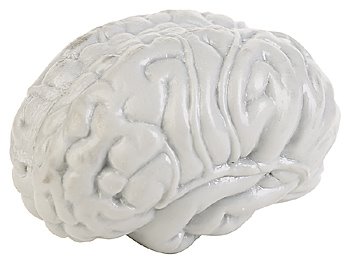
EMOTIONAL INTELLIGENCE MEANS USING ALL YOUR BRAINS
It's balanced-brain thinking.
It's whole-brain functioning.
It's the interface between emotions and thinking that allows for better decision, good judgment, and a better life. Ask the people who have taken my course!
-----------
How Deadly are Pedicures?
Two people are known to have died from infections they got from commercial pedicures. The woman in California was known to have lupus (which compromises the immune system), but the woman who died in Texas from a staph infection she got after her heel was allegedly cut by a pumice stone (and then soaked in infected water) was in good health beforehand. The staph attacked her heart and she died of a heart attack.
Health officials who tested the water in spas and salons in California found 97% of them infected.
The answer? The officials say the consumer must beware, and, as one of them said, "Use your common sense. If the place looks dirty [no matter whether expensive or cheap] walk out."
Now there is Emotional Intelligence in action. This is using your Intuition, an EQ competency.
Want to increase yours?
Take the EQ Foundation Course -- www.susandunn.cc/EQcourse.htm. Get some coaching -- often one or two sessions will do.
Email me at sdunn@susandunn.cc NOW. Don't wait!
You can also increase your resistance to bacteria and infections with ARBONNE'S SUPPLEMENTS. Check out the supplements, and shop with me safely online at http://susandunn.myarbonne.com . Your immune system is your first line of defense against bacteria (like staph), and your ONLY line of defense against viruses. Build now for the coming winter season. Get well and stay well with ARBONNE.
Monday, August 07, 2006
Emotional Intelligence
"Stop resisting. Assimilate events the first time they occur."
- Thomas Leonard
If you think you're doing this, or not sure, email me for a coaching session -- 210-496-0678. You can save yourself a lot of grief by not repeating negative things. Sometimes we do this to try and get it right the next time, and this never works. It was wrong the first time, and will be wrong every time.
- Thomas Leonard
If you think you're doing this, or not sure, email me for a coaching session -- 210-496-0678. You can save yourself a lot of grief by not repeating negative things. Sometimes we do this to try and get it right the next time, and this never works. It was wrong the first time, and will be wrong every time.
Wednesday, August 02, 2006
Emotional Intelligence
A GUEST ARTICLE TODAY ON THE POWER OF MUSIC.
Visit our website Club Vivo Per Lei/I Live for Music and find out more. And please join. It's free, of course. Our gift to you.
"Music To Your Ears - The Healing Way," by Eric Cho
Shakespeare once said, "If music be the food of love, play on".
The power of music over the human mind is enormous, and that’s putting it lightly. Music therapy is the use of music for therapeutic purposes by a trained professional. The idea of using music as a healing influence dates back to the time of Plato and Aristotle. In the modern world, music for therapy came to the fore when musicians played for war veterans to cure them of physical and emotional trauma. Since many of the patients responded well, nurses and doctors began requesting the services of musicians for therapy.
Soon, music therapy became recognized as an effective and scientifically-backed mode of treatment. The first music therapy degree program ever was established in 1944 in the State of Michigan, U.S.
A trained music therapist gauges the emotional well-being, physical health, social functioning and cognitive skills through the patient’s responses to music. Once the assessment is complete, the practitioner designs music session for individuals or groups. The therapeutic music is prepared based on client needs and uses music improvisation, song writing, lyric discussion, imagery and musical performances.
Using music for therapy can be a very powerful way to reach children and adolescents. Elderly people and people with developmental and learning disabilities, people suffering from Alzheimer’s disease and age related problems and people in acute pain also benefit from music therapy. Music therapy is a powerful way to help people express their feelings.
Professional music therapists are usually found in rehabilitative facilities, psychiatric hospitals, medical hospitals, drug and alcohol programs, nursing homes, correctional facilities, schools and private practice.
Some people mistakenly believe that a patient needs to have some particular musical ability to benefit from therapy. There is no one particular style of music that is more therapeutic than the rest. Any style of music can be equally effective. Any person can be a patient. The patient’s background, needs and history help determine the type of music used.
Even healthy people can make use of the healing powers of music. Listening to or making music, playing or drumming can greatly reduce stress and improve productivity. Research shows that music is a vital support for physical exercise. Music therapy is even said to assist labor and delivery.
In hospitals, music therapy is used to alleviate pain and is often used in conjunction with anesthesia or pain medication. A question that is often raised is why use music if anesthesia does the same thing? Music helps because it dissolves emotional barriers and elevates the patient’s mood. Music also counteracts depression, calms and even sedates patients. In a nutshell, music helps reduce muscle tension and brings on a deep and satisfying relaxation. [Editor's Note: It doesn't have any bad side effects, and all medications have bad side effects!]
Since 1994 music therapy has been identified as a reimbursable service in the U.S. Music therapy is considered ‘active treatment’ when it meets the following criteria:
- Is prescribed by a physician
- Is reasonably necessary for the treatment of the injury or condition
- Is based on a documented treatment plan
- Is showing some sort of result in the patient
The future of music therapy is indeed very promising as more and more research supports the effectiveness of music against diseases like Alzheimer’s and chronic pain.
About The Author: http://www.methodsofhealing.com
Visit our website Club Vivo Per Lei/I Live for Music and find out more. And please join. It's free, of course. Our gift to you.
"Music To Your Ears - The Healing Way," by Eric Cho
Shakespeare once said, "If music be the food of love, play on".
The power of music over the human mind is enormous, and that’s putting it lightly. Music therapy is the use of music for therapeutic purposes by a trained professional. The idea of using music as a healing influence dates back to the time of Plato and Aristotle. In the modern world, music for therapy came to the fore when musicians played for war veterans to cure them of physical and emotional trauma. Since many of the patients responded well, nurses and doctors began requesting the services of musicians for therapy.
Soon, music therapy became recognized as an effective and scientifically-backed mode of treatment. The first music therapy degree program ever was established in 1944 in the State of Michigan, U.S.
A trained music therapist gauges the emotional well-being, physical health, social functioning and cognitive skills through the patient’s responses to music. Once the assessment is complete, the practitioner designs music session for individuals or groups. The therapeutic music is prepared based on client needs and uses music improvisation, song writing, lyric discussion, imagery and musical performances.
Using music for therapy can be a very powerful way to reach children and adolescents. Elderly people and people with developmental and learning disabilities, people suffering from Alzheimer’s disease and age related problems and people in acute pain also benefit from music therapy. Music therapy is a powerful way to help people express their feelings.
Professional music therapists are usually found in rehabilitative facilities, psychiatric hospitals, medical hospitals, drug and alcohol programs, nursing homes, correctional facilities, schools and private practice.
Some people mistakenly believe that a patient needs to have some particular musical ability to benefit from therapy. There is no one particular style of music that is more therapeutic than the rest. Any style of music can be equally effective. Any person can be a patient. The patient’s background, needs and history help determine the type of music used.
Even healthy people can make use of the healing powers of music. Listening to or making music, playing or drumming can greatly reduce stress and improve productivity. Research shows that music is a vital support for physical exercise. Music therapy is even said to assist labor and delivery.
In hospitals, music therapy is used to alleviate pain and is often used in conjunction with anesthesia or pain medication. A question that is often raised is why use music if anesthesia does the same thing? Music helps because it dissolves emotional barriers and elevates the patient’s mood. Music also counteracts depression, calms and even sedates patients. In a nutshell, music helps reduce muscle tension and brings on a deep and satisfying relaxation. [Editor's Note: It doesn't have any bad side effects, and all medications have bad side effects!]
Since 1994 music therapy has been identified as a reimbursable service in the U.S. Music therapy is considered ‘active treatment’ when it meets the following criteria:
- Is prescribed by a physician
- Is reasonably necessary for the treatment of the injury or condition
- Is based on a documented treatment plan
- Is showing some sort of result in the patient
The future of music therapy is indeed very promising as more and more research supports the effectiveness of music against diseases like Alzheimer’s and chronic pain.
About The Author: http://www.methodsofhealing.com
Subscribe to:
Posts (Atom)


